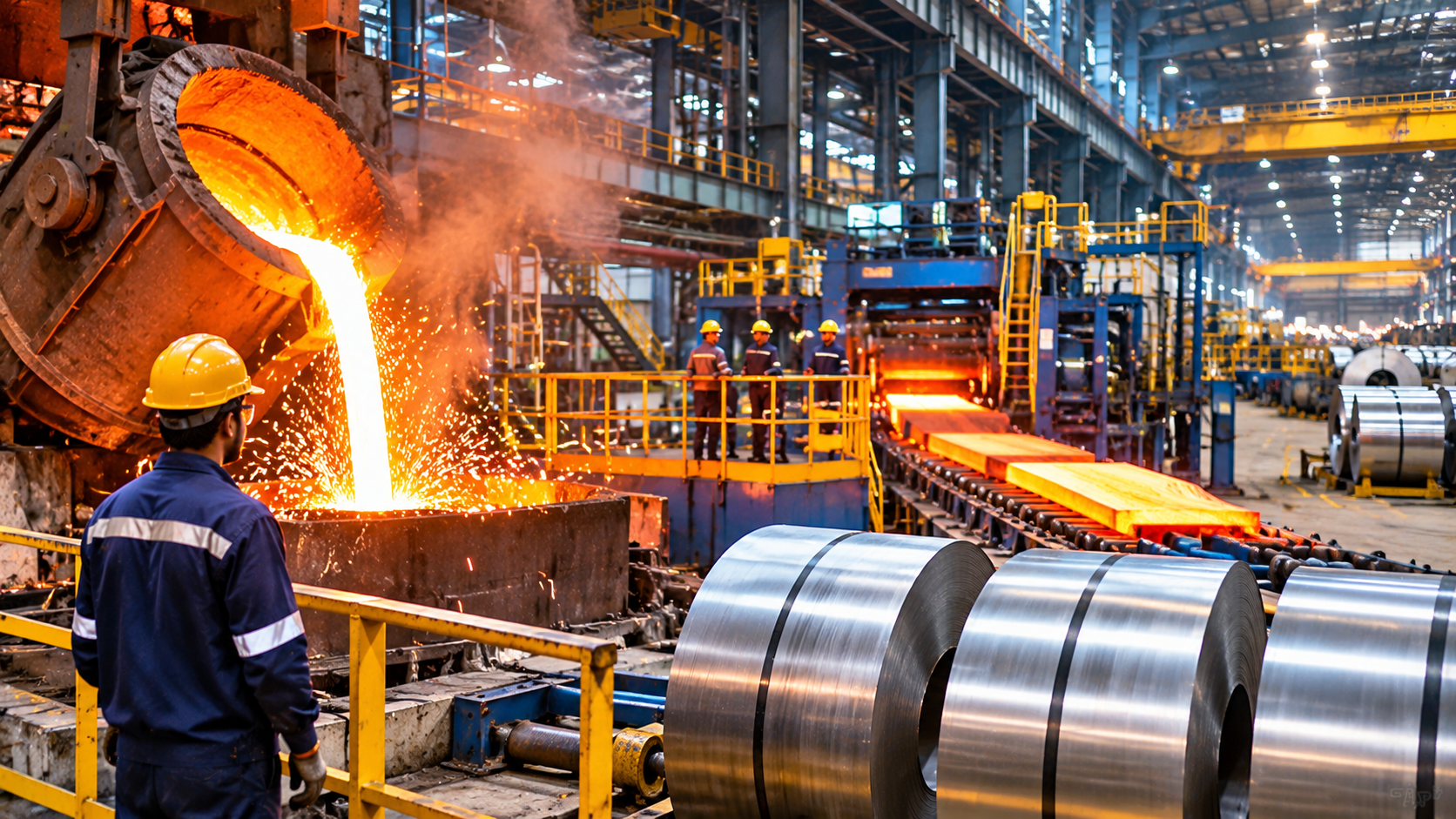
DGFT changes the export classification from ‘Free’ to ‘Prohibited’; the restriction will remain until further orders.
Highlights
- Ban covers specified unsorted battery waste and scrap.
- Lithium-ion battery black mass is included.
- Policy change applies under ITC (HS) code 85491400.
- Covered material does not contain lead, cadmium or mercury.
- Restriction takes effect immediately, until further orders.
- Order does not impose a blanket ban on all battery exports.
New Delhi, November 11: The government has prohibited exports of a specified category of battery waste and scrap, including lithium-ion battery black mass, with immediate effect. The restriction will remain in place until further orders.
The Directorate General of Foreign Trade (DGFT), under the Commerce Ministry, has changed the export classification of the covered material under ITC (HS) code 85491400 from “Free” to “Prohibited”. The decision was announced on November 10.
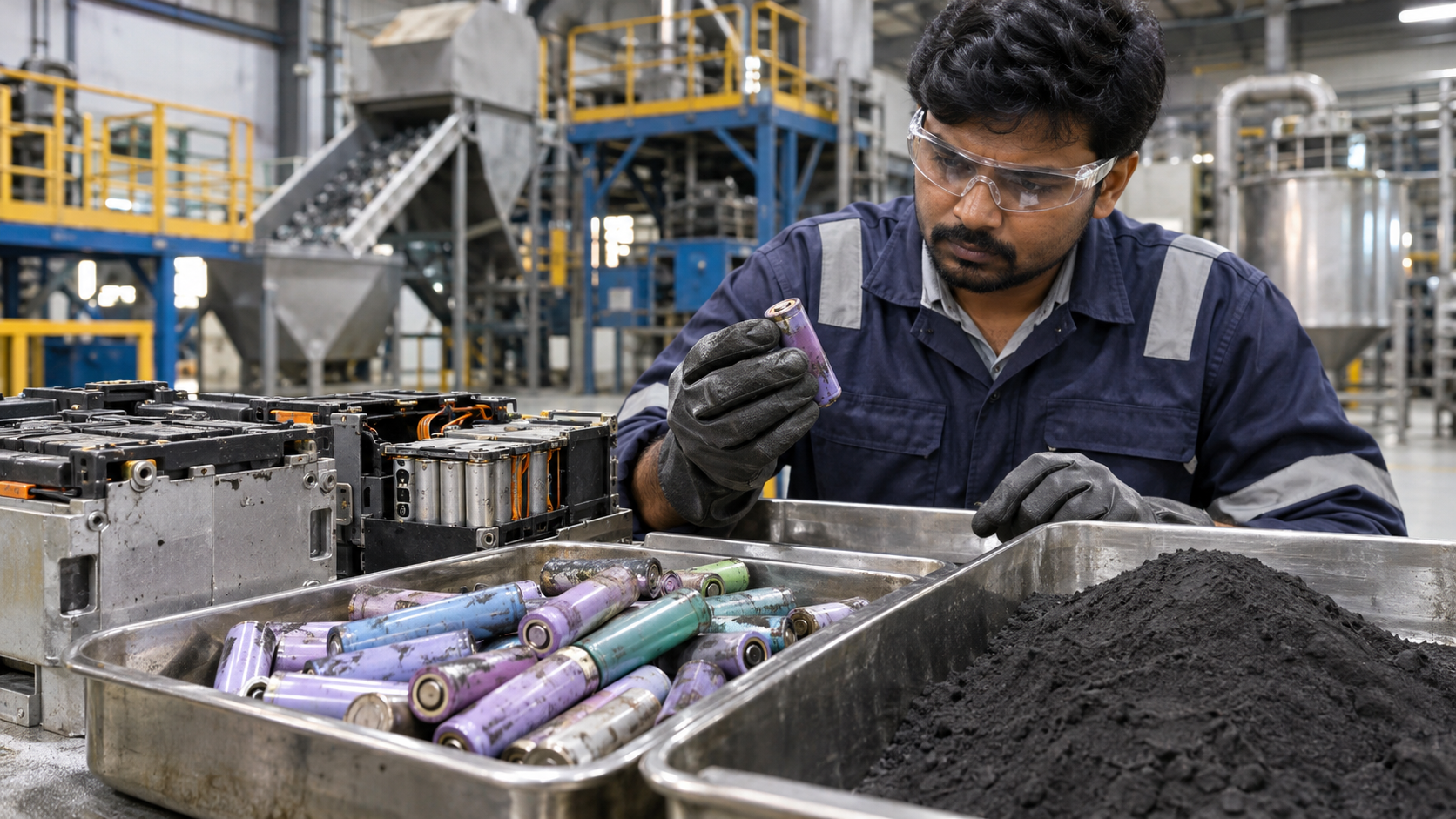
The specified category includes unsorted waste and scrap from primary cells, primary batteries and electric accumulators, including spent batteries, that do not contain lead, cadmium or mercury. The notification specifically identifies lithium-ion battery black mass within this category.
The scope of the decision is significant: it applies to the material described under the specified tariff code. It does not announce a blanket prohibition on exports of every type of battery, battery waste or battery-related product.
Black mass is a powder-like material obtained after used lithium-ion batteries are dismantled, crushed and processed. Depending on the battery chemistry, it can contain valuable materials such as lithium, nickel, cobalt, manganese and graphite. Further processing allows recyclers to recover materials that can be used again in battery manufacturing.
These recovered resources have applications across electric vehicles, smartphones and energy storage systems. Black mass is therefore an intermediate recycling material with economic value, rather than simply waste intended for disposal.
The export restriction comes as India seeks to strengthen domestic recycling and improve access to critical minerals. The government has highlighted limited domestic capacity to process black mass and recover its valuable mineral content. Its ₹1,500-crore critical mineral recycling incentive scheme seeks to expand recovery from spent batteries, electronic waste and other eligible scrap.
Keeping more of this material within India could increase feedstock availability for domestic recyclers. However, the extent of that benefit will depend on their ability to process it and recover minerals suitable for further industrial use.
The DGFT has also stated that transitional arrangements under Paragraph 1.05 of the Foreign Trade Policy 2023 apply to the notification. Consequently, the immediate prohibition needs to be read alongside those provisions when assessing existing export commitments.