

image of an Indian bank customer using a smartphone while discussing RBI’s new borrower protection rules with a bank representative, highlighting safe and fair loan recovery practices.

UPI Charges Proposal Explained
A realistic image of a customer making a UPI payment by scanning a QR code at a retail store, highlighting India’s digital payments ecosystem and merchant transactions.

India Boosts Clean Manufacturing
Indian manufacturing facility showcasing green steel production, battery manufacturing, renewable energy infrastructure and advanced industrial technology, representing India’s clean energy and supply chain transformation.

Mumbai ranks among the world’s Top 15 Data Centre
Data centre campus in India with modern server infrastructure, engineers, cloud computing technology and a futuristic digital ecosystem representing India’s rapidly expanding data centre industry.

SKIMS Enters India Market
A luxurious SKIMS retail store in India with premium fashion displays, elegant interiors, shoppers exploring collections, and a modern high-end shopping atmosphere.
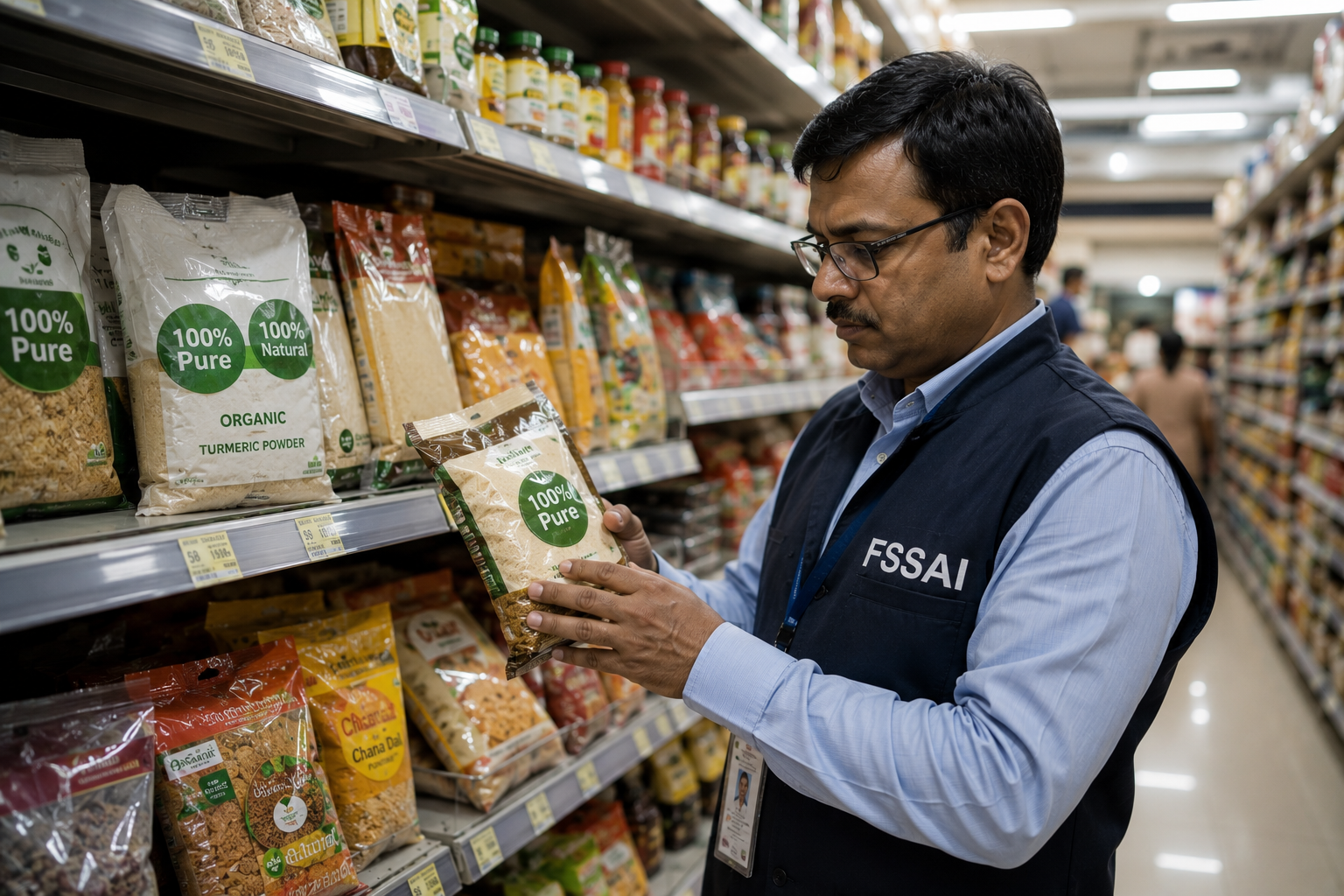
FSSAI Bans Misleading Claims
FSSAI has directed food companies to stop using claims such as “100% Pure” and “100% Natural” on product labels and advertisements, stating that such statements can mislead consumers and are not permitted under food safety regulations. Key Highlights News Story The Food Safety and Standards Authority of India (FSSAI) has issued fresh directions asking food manufacturers and brands to stop using misleading claims such as “100% Pure”, “100% Natural”, and “100% Purity Guaranteed” on product labels and promotional material. According to the regulator, such claims can create a false impression among consumers regarding the quality or composition of food products. Unless these statements are specifically supported under the applicable food safety regulations, companies should avoid using them in packaging, advertisements, and marketing campaigns. The directive is part of FSSAI’s broader effort to strengthen consumer protection and ensure truthful communication by food businesses. The regulator has emphasized that product labels should accurately represent the contents and characteristics of food items without exaggeration or misleading language. Food companies have been advised to review their existing packaging and advertising material to ensure compliance with the latest regulatory expectations. Failure to follow the guidelines could invite regulatory action under the Food Safety and Standards Act. The move comes amid increased scrutiny of food manufacturers, with FSSAI recently taking action against several companies over alleged quality and safety violations. The latest advisory reinforces the regulator’s focus on improving transparency and maintaining consumer trust in India’s food industry.
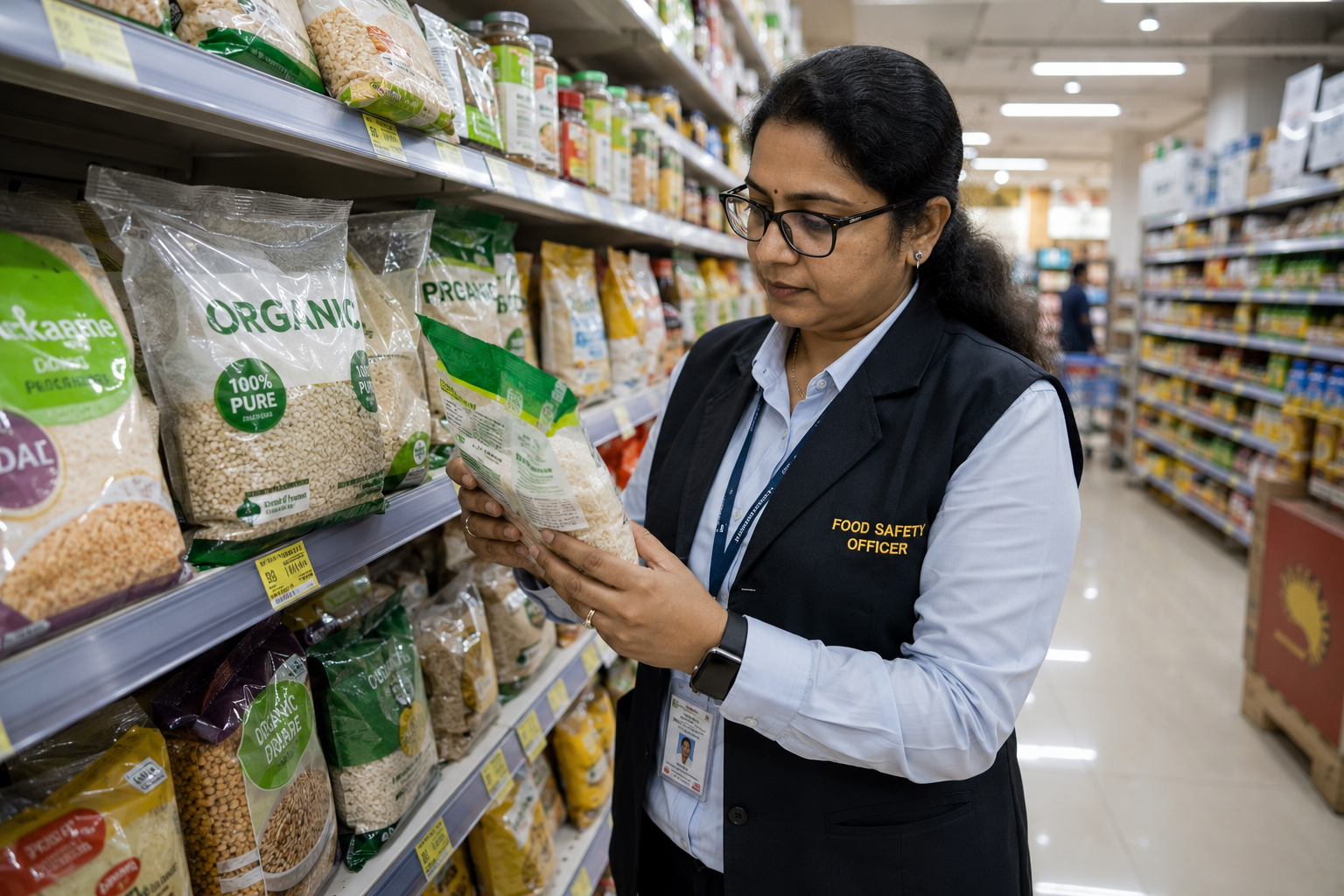
FSSAI Issues Misleading Claims Warning
FSSAI has directed food companies across India to stop using absolute purity and natural claims such as “100% Pure” and “100% Natural” on product labels and advertisements unless they can be fully justified, aiming to prevent misleading marketing and improve consumer transparency. Key Highlights News Story New Delhi, August 6: The Food Safety and Standards Authority of India (FSSAI) has issued fresh directions to food manufacturers and brands, cautioning them against using misleading claims such as “100% Pure,” “100% Natural,” and “100% Purity Guaranteed” on product packaging and promotional material without adequate scientific or regulatory justification. The food regulator stated that such absolute claims can create a false perception among consumers regarding a product’s quality, composition, or safety. Companies have been advised to ensure that all advertising, packaging, and labeling accurately reflect the product and fully comply with the Food Safety and Standards regulations. According to FSSAI, the move is part of a broader effort to strengthen consumer protection by preventing deceptive marketing practices in the food and beverage sector. The authority has emphasized that manufacturers should avoid exaggerated or unverifiable claims that may influence purchasing decisions unfairly. The latest advisory follows a series of enforcement actions by FSSAI against food and beverage companies over quality violations and non-compliance with food safety standards. The regulator has reiterated that businesses must maintain transparency in product labeling while ensuring that promotional statements are supported by evidence wherever required under existing regulations. Industry experts believe the stricter approach will encourage greater accountability among food manufacturers and help consumers make more informed purchasing decisions based on factual product information rather than marketing slogans.
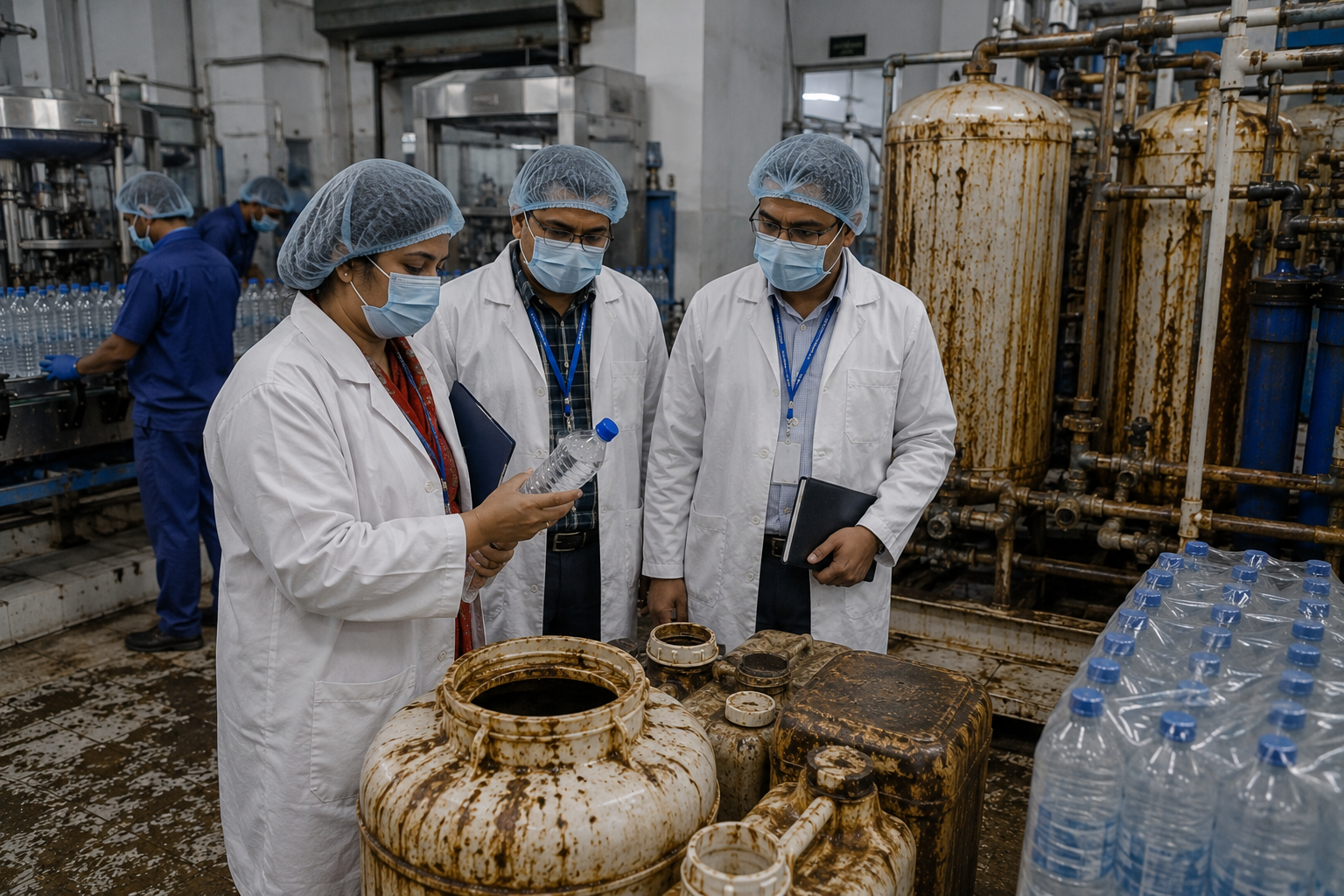
FSSAI Tightens Food Safety
FSSAI intensified enforcement across India by suspending a packaged drinking water manufacturer’s licence over severe hygiene lapses, restricting a health supplement company’s product sales, and warning food businesses against misleading purity claims to strengthen consumer safety. Key Highlights News Story New Delhi, August 6: The Food Safety and Standards Authority of India (FSSAI) has intensified its enforcement drive against food safety violations by suspending the licence of Tripura-based Matri Drinking Water after an inspection revealed multiple hygiene lapses and quality concerns in its packaged drinking water facility. According to FSSAI, the action followed complaints regarding foreign particles in packaged drinking water. During the inspection, officials reportedly found several serious violations, including rusted RO tanks, corroded chemical dosing containers, poor sanitation standards, and inadequate cleaning of water processing and filling equipment. Products were also allegedly stored on the floor alongside non-food items, increasing the risk of contamination. Based on these findings, the food safety regulator suspended the company’s licence with immediate effect, citing concerns over consumer health and product safety. In a separate enforcement action, FSSAI also prohibited Punjab-based Noble Healthcare, located in Mohali, from selling a batch of its health supplement products following regulatory concerns. The regulator has simultaneously tightened its stance against misleading product claims. FSSAI has instructed food and beverage companies not to use marketing statements such as “100% Pure,” “100% Natural,” or “100% Purity Guaranteed” on packaging and advertisements unless they can be fully substantiated under applicable food regulations. The authority said such claims may mislead consumers and create false perceptions about product quality. The latest actions are part of FSSAI’s broader campaign to strengthen food safety standards, improve manufacturing hygiene, enhance transparency in product labeling, and protect consumers from unsafe or misleading food products. Consumers are also advised to purchase packaged drinking water only from licensed manufacturers and carefully verify packaging details before consumption.
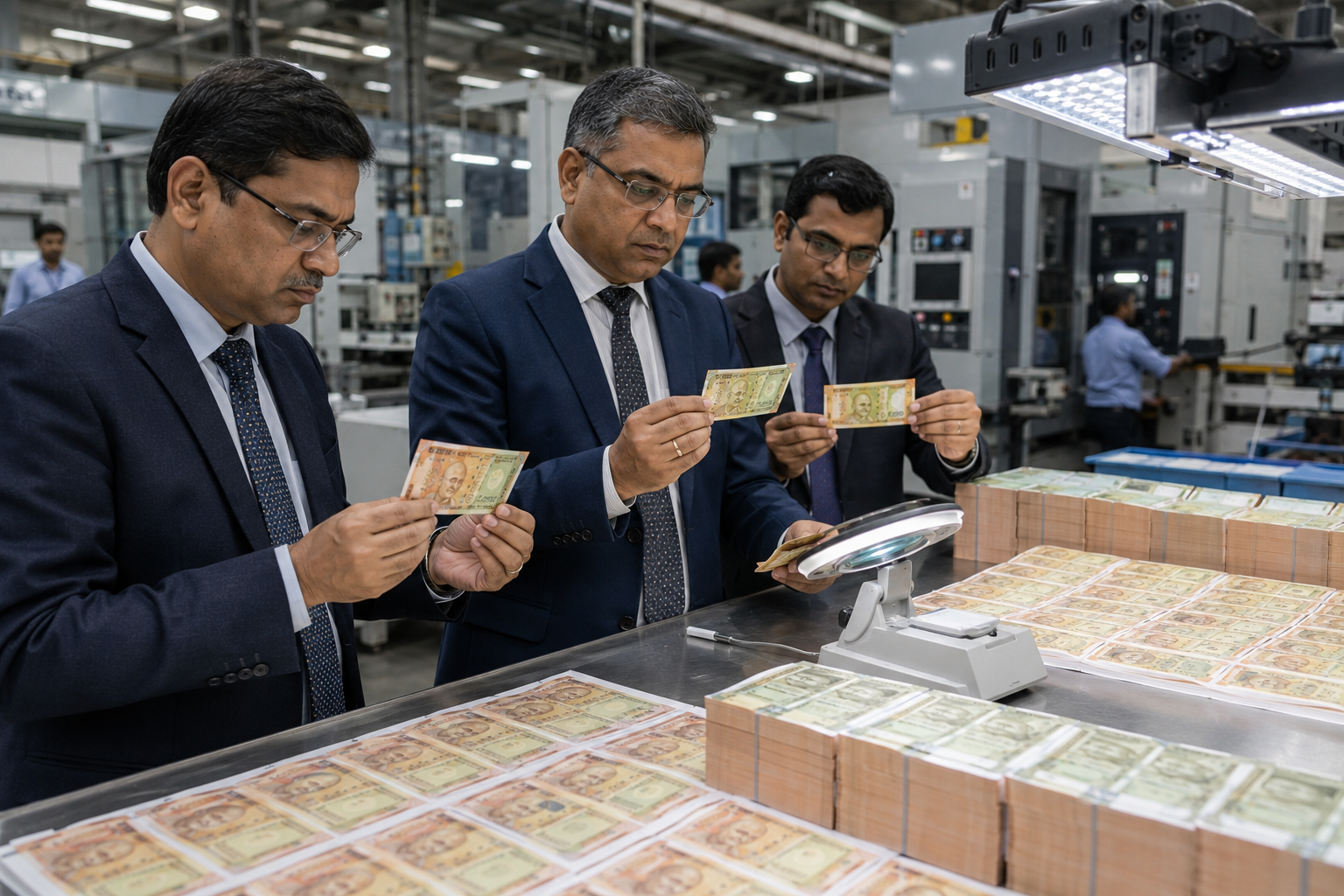
RBI Targets Polymer Notes
The Reserve Bank of India plans to introduce India’s first polymer currency notes at the beginning of the next financial year. The pilot project aims to improve note durability, strengthen security against counterfeiting and reduce long-term currency management costs. Key Highlights News Story The Reserve Bank of India (RBI) has announced plans to introduce India’s first polymer currency notes at the beginning of the next financial year, marking a significant step toward modernising the country’s currency management system. RBI Governor Sanjay Malhotra said the initiative is currently in the pilot stage and will initially focus on lower denomination notes, particularly ₹10 and ₹20, which experience the highest circulation and wear. The central bank will evaluate the performance of polymer notes under Indian climatic and operational conditions before deciding on wider adoption. According to the RBI, polymer notes offer significantly higher durability than conventional paper currency and can remain in circulation for two to four times longer. Their longer lifespan is expected to reduce replacement costs while improving the efficiency of currency management. Apart from durability, polymer notes provide stronger security features that make them more resistant to counterfeiting. The RBI believes the new substrate can enhance the integrity of India’s currency system while lowering long-term expenditure on printing replacement notes. The government has already authorised the printing of up to two billion polymer banknotes for field trials. During the pilot phase, both paper and polymer currency will continue to circulate as legal tender, with no immediate plans to replace existing paper notes completely. The RBI has also initiated the procurement process for advanced polymer substrates equipped with modern security features through its currency printing subsidiary. The move comes as the central bank continues efforts to improve currency quality, reduce counterfeit circulation and enhance the sustainability of India’s cash management infrastructure.
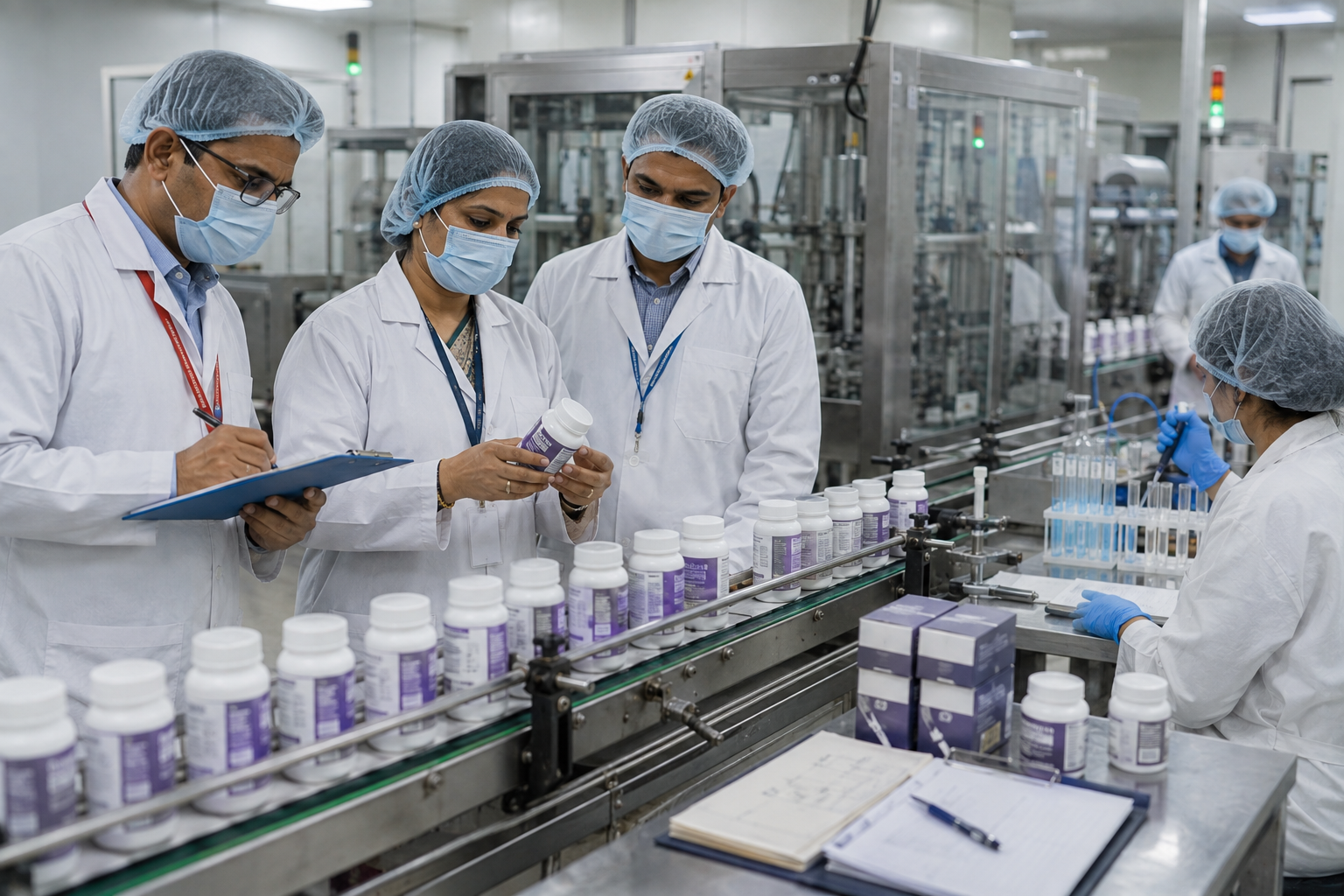
Noble Healthcare Sales Halted
FSSAI inspectors examining health supplement products inside a modern pharmaceutical manufacturing facility during a regulatory compliance inspection.