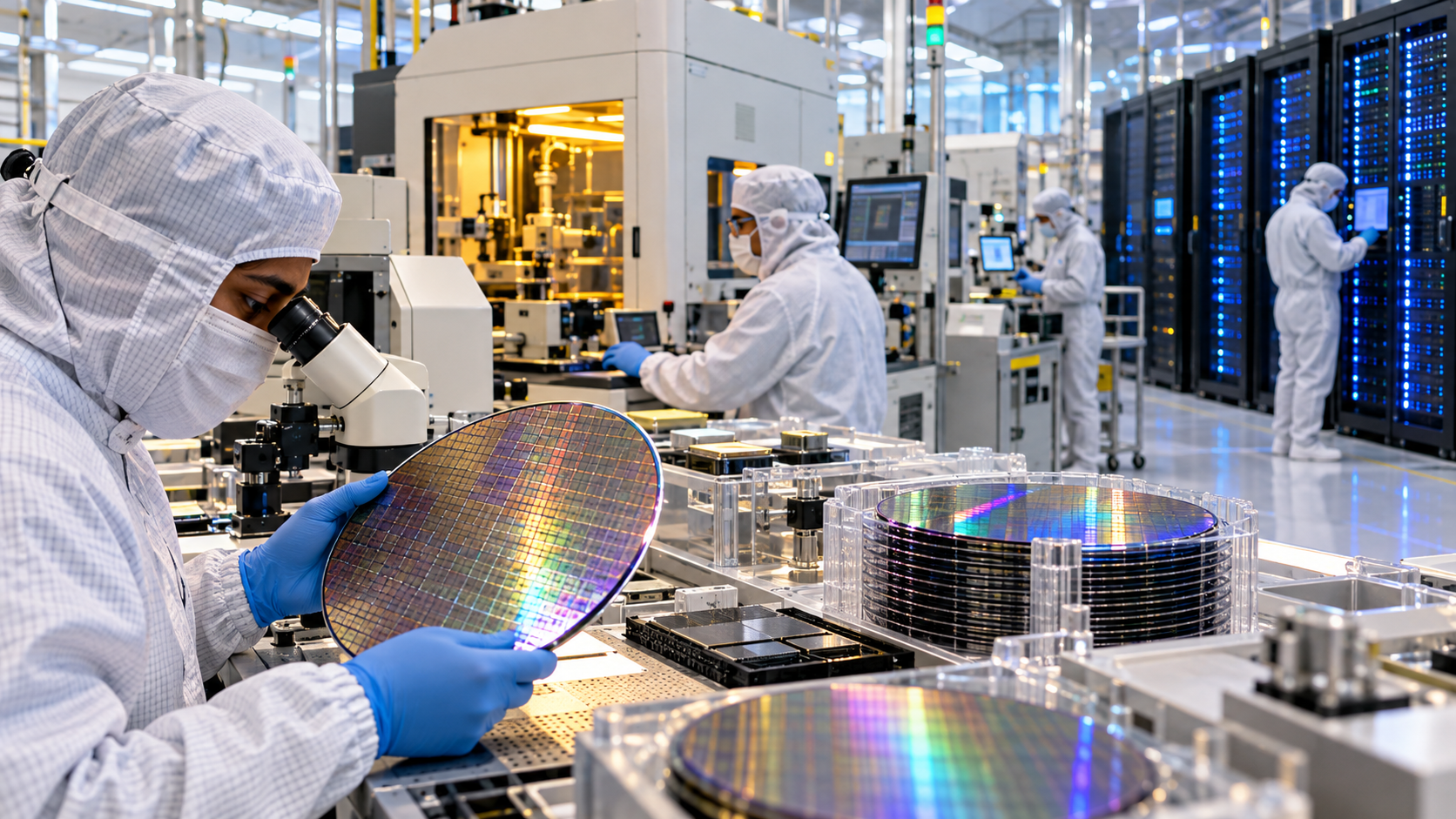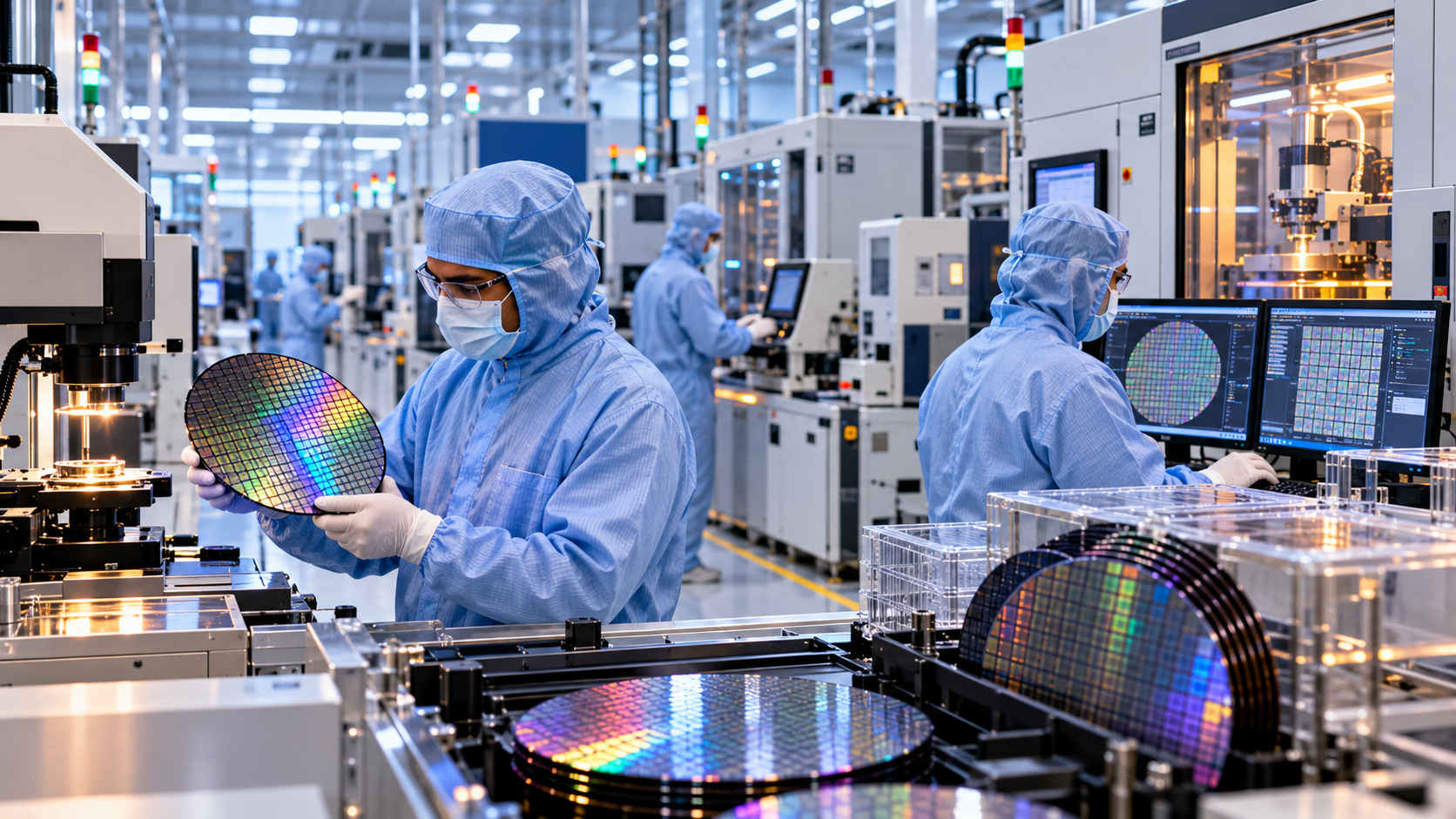
ASEAN and India are expanding agricultural cooperation around food security, climate resilience, digital farming, AI applications and stronger regional supply chains.
Government Tightens E-Commerce Consumer Rules
New e-commerce rules will tighten requirements around online discounts, sponsored listings, search results, dark patterns and consumer disclosures from January 2027.
Fintech Urged To Boost Security Investments
FATF Flags Emerging Technology Driven Risks Key Highlights: Mumbai, Sep 10 — The fintech industry needs to step up investments to tackle emerging threats from artificial intelligence, scam compounds and other technologies, FATF Vice-President Vivek Aggarwal said. The Financial Action Task Force (FATF), a Paris-based global body that sets standards for combating money laundering, terrorist financing and proliferation financing, has highlighted the growing technology-driven risks facing financial systems. Aggarwal said artificial intelligence can be misused by criminals, making it important for the same technology to be deployed to identify and prevent financial crime. The evolving threat landscape requires continuous vigilance, creating what he described as a “cat and mouse game” between financial institutions and criminals. The risks extend beyond AI. Scam compounds and developments in quantum computing could create additional challenges for financial institutions, including potential threats to existing encryption and cryptographic systems. For the rapidly growing fintech industry, one of the key challenges is ensuring that investments in security and risk management keep pace with technological and business expansion. Aggarwal noted that companies may not always have sufficient focus, resources or time dedicated to addressing emerging threats. He stressed the need for the industry to recognise these risks early and take timely action rather than waiting for them to materialise. As India’s fintech ecosystem continues to expand, stronger investment in technology, security and risk controls will be increasingly important to protect the country’s broader financial and economic growth.
India Enters New Industrialisation Phase
Private Capital Drives Emerging Sector Growth Key Highlights: New Delhi, Sep 10 — India is entering a new phase of industrialisation as rising domestic demand and government support attract private capital into emerging sectors such as space, semiconductors, data centres, electronics and solar manufacturing, brokerage Jefferies said in a report. The government has supported this transition through measures including opening the space sector to private companies, tax incentives for data centres, production-linked incentive schemes for semiconductors, electronics and solar, localisation requirements and GPU purchases. According to Jefferies, the resulting investment cycle is creating opportunities beyond end-product manufacturing, extending into domestic supply chains, components, infrastructure and engineering services. India’s space sector is one of the key areas of expansion. After opening the sector to private participation in 2020, the government is targeting an almost five-fold expansion of the space economy between 2023 and 2030 to around USD 40–45 billion. Startups including Skyroot, Pixxel, Agnikul and Digantara are expanding into launch vehicles, earth observation, propulsion and space-surveillance technologies. The semiconductor sector is also moving from policy planning toward execution, with around USD 20 billion of investments announced or underway. These include a chip fabrication plant and several outsourced semiconductor assembly and test projects. A new incentive plan worth about USD 13 billion is expected to further expand the ecosystem and domestic value addition. India’s data-centre sector has also expanded rapidly, with co-location capacity increasing five-fold over the past five years to about 2 GW. Jefferies expects capacity to potentially rise another five-fold to around 10 GW over the next five years, representing roughly USD 9 billion in operator revenue and around USD 45 billion of investment across supporting infrastructure. In electronics, schemes such as the Electronics Components Manufacturing Scheme and Mobile 2.0 are aimed at strengthening domestic value addition and reducing import dependence. The report estimates that ECMS could cover around 50 per cent of the bill of materials for mobile components within six years, compared with less than 20 per cent currently. Solar manufacturing is another major opportunity. India has around 35 GW of operational solar-cell capacity, with another 100 GW under construction. Jefferies expects around 90 per cent of the solar manufacturing value chain to be localised by 2030. The aerospace sector could also benefit from India’s competitive manufacturing costs and engineering talent. Boeing and Airbus already source an estimated USD 1.4–1.6 billion annually from India, while domestic companies are expanding their supply to global original-equipment manufacturers and Tier-1 suppliers. Jefferies said the common theme across these sectors is India’s effort to move higher up global supply chains by combining domestic demand, government incentives, localisation and private investment.
Yamaha Strengthens Premium Retail Footprint
Yamaha Reaches 600 Blue Square Showrooms Key Highlights: News Story: New Delhi, Sep 10 — India Yamaha Motor Pvt. Ltd. has inaugurated its 600th Blue Square showroom in India, marking a significant milestone in the company’s premium retail expansion strategy. Hajime Aota, Chairman of Yamaha Motor India Group of Companies, described the milestone as an important step toward building a stronger and more connected Yamaha community across the country. The 600 Blue Square showrooms are spread across different regions of India, reflecting the company’s focus on balanced regional expansion while maintaining an elevated and consistent customer experience. Yamaha’s Blue Square retail network is designed to strengthen its presence in the premium motorcycle segment while also supporting the company’s broader scooter portfolio. The expansion of the network highlights Yamaha’s continued focus on strengthening its retail footprint and creating a more connected premium customer experience across the Indian market.
Copper Rally Exposes Global Supply Gap
Mining Smelting Mismatch Drives Prices Higher Key Highlights: New Delhi, Sep 10 — A growing mismatch between global copper mining and smelting capacity is intensifying supply pressures and contributing to record copper prices, the Indian Primary Copper Producers Association (IPCPA) said. Copper prices on the London Metal Exchange touched a record USD 14,737 per tonne in September 2026, marking a nearly 50 per cent increase over the past year. Expectations of potential US tariffs, tighter mine supply and major shifts in global inventories have reshaped the market. Hundreds of thousands of tonnes of copper have been shipped to the United States since the beginning of the year to benefit from the price premium between Comex and LME markets. The US Commerce Department’s report on potential copper import tariffs remains nearly two months overdue, but markets continue to price in the possibility of trade restrictions. The tariff outlook has also triggered a major redistribution of copper inventories. Comex stocks have climbed to a record 675,000 tonnes, while LME warehouse inventories have dropped to critically low levels, tightening availability in other markets. At the same time, global mine output has weakened slightly due to operational challenges at three to four major mines. China’s continued expansion of smelting capacity is adding further pressure to an already constrained supply of copper concentrates. This imbalance is reflected in treatment and refining charges (TC/RCs), which have fallen to around negative USD 1,300 per tonne from positive levels of roughly USD 300–400 per tonne. The sharp decline indicates growing financial pressure on smelters as competition for copper concentrates intensifies. According to IPCPA, the divergence between mining supply and smelting capacity represents a structural constraint rather than a temporary inventory imbalance. Copper’s importance is also increasing due to its use in power grids, electric vehicles, renewable energy, construction and other infrastructure linked to electrification. The association said the developments highlight the need to address the structural gap between copper mining and processing capacity as global demand continues to rise. IPCPA represents leading Indian copper producers including Hindalco Industries, Hindustan Copper Limited, Adani Kutch Copper and Vedanta’s Sterlite Copper.
BIS Seizes Non-Hallmarked Gold Jewellery
Chennai Shop Faces Hallmarking Enforcement Action Key Highlights: News Story: New Delhi, September 10, 2026 The Bureau of Indian Standards (BIS) has seized 803.99 grams of non-hallmarked gold jewellery from a jewellery shop in Ambattur, Chennai, after the articles were found displayed for commercial sale. The enforcement action was conducted by the BIS Chennai Branch Office on September 1 under Section 28 of the Bureau of Indian Standards Act, 2016. The seized jewellery included 175 mangalsutras weighing 671.50 grams, 12 children’s bangles weighing 25.02 grams, 40 earrings weighing 86.14 grams and 10 pendants weighing 21.33 grams. According to BIS, the jewellery was available in different designs and categories without the mandatory hallmarking required for commercial sale. The articles have been confiscated for detailed investigation and further legal proceedings. Mandatory hallmarking for gold jewellery and artefacts was introduced in June 2021. Hallmarking provides an official indication of the purity or fineness of precious metal articles. BIS said its market surveillance and enforcement activities are aimed at ensuring compliance with mandatory hallmarking requirements, preventing the sale of substandard products and checking misuse of the BIS Standard Mark and hallmark. Under the existing system, hallmarked gold jewellery carries the BIS logo, purity or fineness grading and a six-digit Hallmark Unique Identification (HUID) number. Consumers can verify the HUID of hallmarked jewellery through the BIS CARE app.
Government Seeks Adequate Sugar Supplies
A business-news visual showing sugar production, storage and government efforts to ensure stable festive-season supplies.
IIT Delhi Launches Chief Of Staff Program
Image Summary:
IIT Delhi’s new executive program aims to develop strategic leadership and execution capabilities among Chief of Staff professionals.
Usha Launches Premium AeroEdge Fans
Usha’s new AeroEdge ceiling fans combine energy-efficient BLDC motors, adjustable LED lighting and contemporary designs.