Quality Gains Ground Over Home Discounts Key Highlights India’s residential real estate market is witnessing a shift in buyer preferences, with homebuyers increasingly focusing on the overall value of a property rather than simply seeking the lowest possible price. While affordability remains important, buyers are paying greater attention to construction quality, usable space, connectivity, amenities, location and the credibility of developers. The change is particularly visible across urban markets such as Delhi-NCR, where infrastructure expansion is creating new residential and economic centres. The high-end segment accounted for around 27% of residential sales in 2025, surpassing the mid-end category for the first time. The trend does not necessarily indicate a shift towards luxury housing across the market, but reflects growing expectations around planning, construction standards and overall project quality. For buyers, quality extends beyond finishes and amenities. Factors such as effective planning, natural light, open spaces, usable layouts and practical facilities are becoming increasingly important. The developer’s track record and ability to deliver as promised are also playing a larger role in purchase decisions. Location remains another major factor shaping long-term value. In the NCR region, Greater Noida has attracted increasing interest as infrastructure, commercial activity and connectivity expand. Ghaziabad is also benefiting from improving road and public transport links, strengthening its connections with Delhi and other parts of the National Capital Region. Improved infrastructure can offer benefits beyond property appreciation, including easier access to workplaces, schools, healthcare and other essential services. This makes emerging locations increasingly relevant for both end-users and long-term investors. The changing preference is also reflected in market performance. While residential sales volumes moderated by around 8% in 2025, the overall value of sales increased by around 15%. This indicates that buyers may be increasingly willing to pay for homes offering stronger quality, better space and greater long-term potential. The shift is encouraging developers to compete on fundamentals rather than relying primarily on discounts and short-term promotional offers. As NCR continues to expand, projects that combine quality construction, effective planning, connectivity and liveability could have a stronger advantage in attracting discerning buyers. The next phase of residential growth is therefore likely to be shaped less by the size of a discount and more by the value a property can deliver over the long term. For developers, this makes quality and execution important from the planning stage through project completion.
Shapoorji Pallonji Eyes Tata Stake Sale
Group Targets ₹25,000 Crore Fundraising Shapoorji Pallonji Group is looking to raise around ₹25,000 crore by monetising a part of its stake in Tata Sons, as the group seeks to unlock value from its holding and strengthen its financial position. (Jagran) Key Highlights News Story Shapoorji Pallonji Group is considering selling a part of its stake in Tata Sons to raise around ₹25,000 crore, as the group looks to unlock liquidity from its valuable holding in the Tata Group’s holding company. The SP Group currently owns around 18.37% of Tata Sons, making it one of the largest shareholders in the unlisted company. Chairman Shapoor Mistry is seeking to monetise a portion of this stake over the next two years. (The Economic Times) Reports indicate that the group could sell around 7% of its Tata Sons holding to raise the targeted amount. The proposed transaction would allow the SP Group to generate substantial liquidity while retaining a significant stake in Tata Sons. The move comes as the Shapoorji Pallonji Group continues efforts to strengthen its financial position and manage its debt obligations. The group has previously undertaken several asset monetisation and refinancing initiatives, including raising funds against its Tata Sons stake. (The Financial Express) Tata Sons is the holding company of the Tata Group and owns major stakes in several Tata companies. Its shares are not publicly listed, making transactions involving large shareholder stakes particularly significant. The proposed stake sale could also gain importance amid developments surrounding the future listing of Tata Sons. The Reserve Bank of India has rejected Tata Sons’ application to voluntarily surrender its registration as a Core Investment Company, potentially clearing a regulatory path for a future public listing. (The Economic Times) If completed, the proposed ₹25,000-crore transaction would represent one of the most significant efforts by the SP Group to unlock value from its long-standing investment in Tata Sons. (The Economic Times)
BRICS Summit Reaches Declaration Consensus
Members Bridge Differences Amid West Asia Crisis The BRICS countries have reached consensus on a joint declaration at the New Delhi Summit, overcoming differences between Iran and the UAE over the West Asia conflict. (Reuters) Key Highlights News Story BRICS countries have reached consensus on a joint declaration at the New Delhi Summit, marking a diplomatic breakthrough for India as the grouping faces sharp divisions over the ongoing West Asia conflict. Negotiations continued amid differences between Iran and the UAE, whose positions have diverged over the conflict. Indian officials held sustained consultations with member countries to bridge differences and ensure that the declaration could be accepted by all members. (Reuters) The declaration is expected to avoid directly naming individual countries while condemning unilateral aggression and stressing the importance of international law, restraint and stability. The consensus demonstrates an effort by the expanded grouping to maintain unity despite significant geopolitical differences. (Reuters) Prime Minister Narendra Modi, while addressing the summit, said BRICS had reached a stage where its unity and consensus should be translated into concrete outcomes. He also called for greater representation of emerging economies in global decision-making institutions. Modi reiterated India’s demand for reform of the United Nations Security Council, arguing that the Global South should have a stronger voice in shaping international decisions. (Reuters) The summit comes as BRICS seeks to strengthen cooperation in trade, investment, energy security, technology and global governance. India is also attempting to position the grouping as a platform for practical economic cooperation rather than an anti-Western alliance. The agreement on a joint declaration provides a significant boost to India’s 2026 BRICS chairship and demonstrates the group’s ability to find common ground despite growing geopolitical tensions. (Reuters)
Sebi Proposes New Expiry Settlement
Regulator Seeks Feedback On Changes SEBI has proposed changes to the methodology for calculating expiry-day settlement prices of index and stock derivatives following concerns over the newly introduced Closing Auction Session (CAS). (The Economic Times) Key Highlights News Story Markets regulator SEBI has proposed changes to the methodology used to calculate expiry-day settlement prices for index and stock derivatives, following feedback on the newly introduced Closing Auction Session. Under the first proposal, the settlement price would be calculated using a blended Volume Weighted Average Price (VWAP), combining trades executed during the final 30 minutes of the Continuous Trading Session (CTS) with trades during the 10-minute CAS. The second option would continue using the existing CTS VWAP methodology, based on trades executed during the last 30 minutes of continuous trading. Under this approach, CAS trades would not be included in expiry-day derivative settlement calculations. (Rediff) SEBI introduced CAS in the equity cash segment from August 3 to improve closing-price discovery. Under the current framework, the CAS-determined closing price also serves as the basis for settling derivative contracts on expiry. However, market participants raised concerns about using the auction-determined closing price for derivatives settlement, prompting the regulator to review the methodology. SEBI has also proposed changes to market timings, including reducing the transition period between continuous trading and CAS to around one minute and cutting the post-CAS derivatives trading window from 10 minutes to five minutes. (Business Standard) The regulator has further proposed stopping the dissemination of indicative index values during CAS while continuing to provide indicative equilibrium prices for individual securities. It has also suggested restrictions on cancelling certain orders placed more than 1% away from the reference price. (Reuters) SEBI has invited comments from market participants on the proposed changes until October 3. (Rediff)
India-China Trade May Take Place
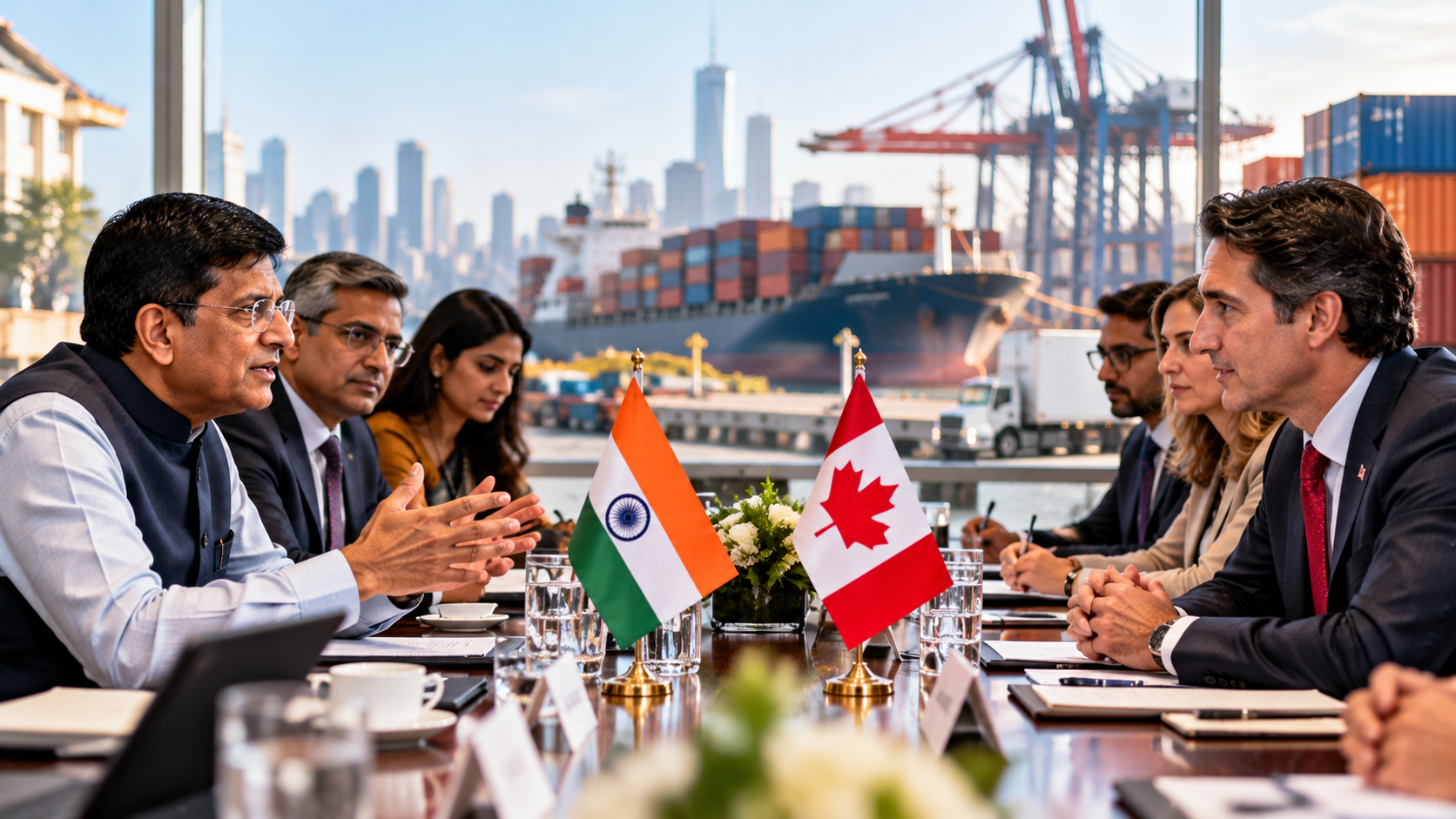
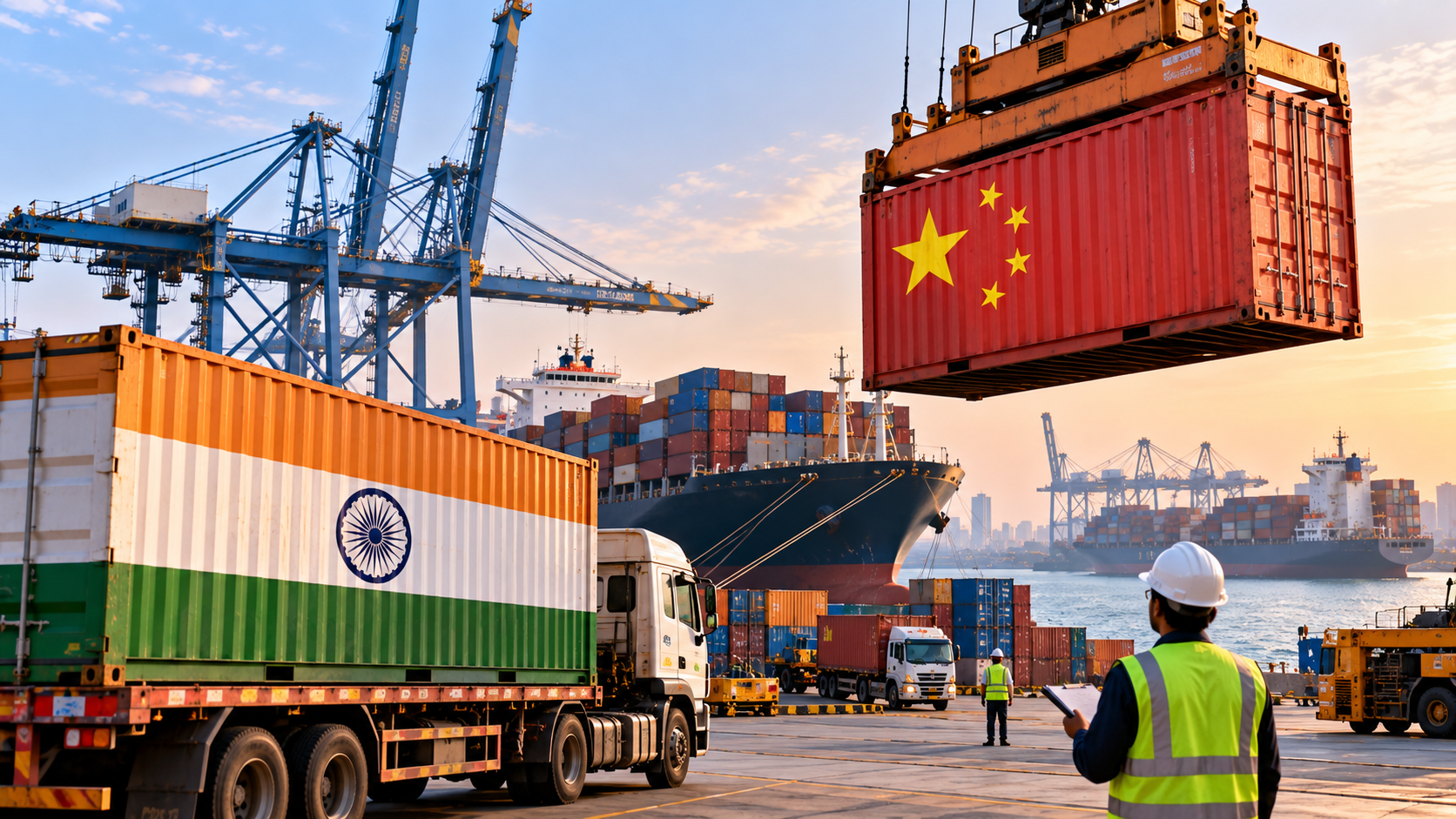
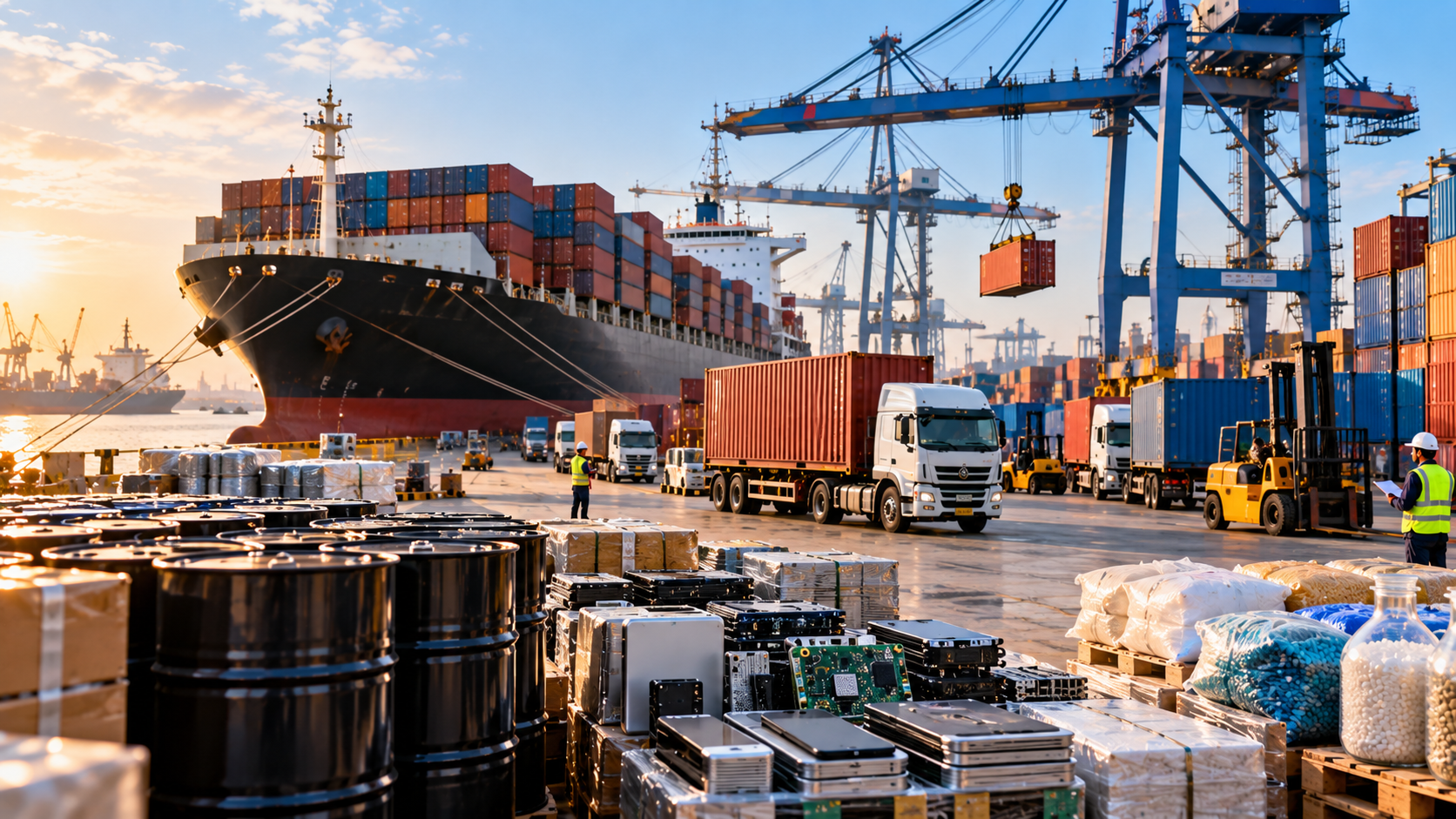
Modi-Xi Talks May Boost Trade Key Highlights India-China trade is expected to be an important area of discussion as Chinese President Xi Jinping visits New Delhi for the 18th BRICS Summit and is scheduled to meet Prime Minister Narendra Modi. China was India’s second-largest trading partner in 2025-26, with bilateral trade rising 7.9% to USD 127.7 billion from USD 118.39 billion in the previous fiscal. However, the trade relationship remains heavily tilted in China’s favour. India’s trade deficit with China widened to USD 99.19 billion in 2025-26 from USD 85 billion in 2024-25. India’s exports to China increased 36.62% to USD 19.47 billion, while imports rose 16% to USD 131.62 billion. China’s share in India’s merchandise imports increased to around 17% from 15.7% a year earlier. India remains significantly dependent on Chinese industrial inputs. Electronics, machinery, computers and organic chemicals together accounted for about USD 82.6 billion, or nearly two-thirds, of India’s imports from China. Chinese supplies are particularly important for electronics components, EV batteries, solar modules, APIs and specialty chemicals. The trade imbalance is also linked to India’s imports of raw materials, intermediate goods and capital goods, including auto components, electronic parts, machinery and pharmaceutical inputs that support domestic manufacturing. Chinese investment in India remains another sensitive area. India received USD 2.51 billion in Chinese FDI between April 2000 and March 2026, while investment rules continue to face restrictions for countries sharing a land border with India. With economic ties improving alongside a cautious thaw in bilateral relations, the Modi-Xi engagement could provide an opportunity to address market access, supply-chain dependence and the widening trade deficit. (Reuters)
BRICS Finance Chiefs Push Reforms
Emerging Economies Seek Greater Global Voice Key Highlights BRICS finance ministers and central bank governors have stepped up calls for reforms to global financial institutions, seeking a greater voice for emerging and developing economies in the international economic system. In a joint statement following meetings in Jaipur and Mumbai, the finance chiefs said the expanded BRICS membership has strengthened the grouping’s diversity and representativeness. They reaffirmed their commitment to closer economic and financial cooperation. The ministers highlighted risks from geopolitical tensions, trade fragmentation, protectionism, policy uncertainty, fiscal pressures, inflation, rising debt and financial vulnerabilities. They also expressed concern over unilateral tariffs and non-tariff measures, saying such actions distort trade and are inconsistent with World Trade Organization rules. A key focus was reform of the Bretton Woods institutions, particularly the IMF and World Bank. BRICS called for these institutions to become more representative, transparent, accountable and effective, with governance structures reflecting the changing global economy. The grouping backed implementation of quota increases under the IMF’s 16th General Review of Quotas and called for meaningful quota realignment under the 17th review. It also highlighted the need for greater representation of emerging markets and developing economies in the leadership of the IMF and World Bank. BRICS finance chiefs also supported a stronger role for the New Development Bank in financing infrastructure and development projects across the grouping and the wider Global South. They encouraged the bank to expand local-currency financing, diversify funding sources and mobilise more resources. The statement also welcomed progress on a proposed BRICS Multilateral Guarantees initiative, which aims to attract private capital and reduce financing costs for development projects. Central banks meanwhile advanced work on the BRICS Contingent Reserve Arrangement, a financial safety-net mechanism designed to provide liquidity support to members facing balance-of-payments pressures. The finance track also covered insurance, pensions, settlement infrastructure, cybersecurity and emerging technologies, signalling a broader push towards greater financial cooperation among BRICS economies. (The Financial Express)
BRICS Leaders Face Trade Disputes
Summit Seeks Consensus Amid Tensions Key Highlights The two-day BRICS Summit in New Delhi is witnessing intense diplomatic consultations as member countries work towards consensus on a joint declaration amid geopolitical differences. Diplomatic sources said negotiations could continue until the last moment, particularly due to differing positions between Iran and the UAE over the West Asia conflict. As BRICS follows a consensus-based approach, any member can potentially block the final declaration. As the chair of BRICS in 2026, India is seeking to position the grouping as a complementary engine for economic growth while addressing the concerns of developing countries affected by geopolitical tensions. India has placed the Global South at the centre of its BRICS agenda, with emphasis on food, energy and supply-chain security. Cooperation in trade, investment, connectivity and emerging technologies is also expected to receive significant attention. The expanded BRICS grouping now has 11 members and represents around 49.5% of the world’s population, 40% of global GDP and 26% of global trade. India’s presidency is guided by the theme “Building for Resilience, Innovation, Cooperation and Sustainability”. The summit is expected to conclude with the release of the New Delhi Declaration.
India Eyes Bigger Export Opportunity as BRICS Trade Crosses US$417 Billion
Indian consumers shop during the festive season as online and offline retail demand rises.
Festive Sales Set For Strong Growth
Indian consumers shop during the festive season as online and offline retail demand rises.
Banking Strike Disruption
Customers face disruption at an Indian public sector bank branch during a nationwide strike.