India’s unemployment rate eased to 5% in August 2026 as rural joblessness declined and labour force participation improved.
Asian LNG Demand May Rebound
LNG demand in India, China and Pakistan could recover as Middle East supply disruptions ease and gas prices return to more affordable levels.
Passenger Vehicle Sales Jump 36.5%
Passenger vehicle sales rose 36.5% in August 2026 as cars, two-wheelers and three-wheelers recorded strong domestic demand across India.
PM Vishwakarma Crosses 30 Lakh Registrations
PM Vishwakarma has crossed 30 lakh registrations, while more than 24 lakh artisans and craftspeople have received training during the scheme’s first three years.
EPFO Launches Official WhatsApp Channel
EPFO’s official WhatsApp channel gives members and pensioners another digital platform to receive important updates and information directly.
Mobile Makers Seek GST Cut to 5%
Industry Cites Weak Demand and Rising Chip Costs Mobile phone manufacturers have called for a reduction in the Goods and Services Tax (GST) rate on smartphones, seeking a cut to 5% to support consumer demand and the domestic electronics industry. The industry has highlighted weak demand as one of the key challenges facing the mobile phone market. Manufacturers believe that a lower tax burden could help make smartphones more affordable for consumers and encourage purchases. Rising costs of chips and other components have also increased pressure on manufacturers. Semiconductor prices and global supply-chain conditions can directly affect the cost of producing electronic devices, making pricing an important concern for companies operating in the competitive smartphone market. A reduction in GST could potentially provide some relief to consumers by lowering the tax component included in the final price of mobile phones. This could be particularly relevant in the price-sensitive Indian smartphone market. The demand for smartphones has expanded significantly in India over the years, supported by increasing digital adoption and wider access to mobile internet. However, manufacturers continue to face challenges related to pricing, component costs and consumer spending. Industry representatives are therefore seeking government support through a lower GST rate. They argue that such a move could support demand while also helping the broader electronics manufacturing ecosystem. Any decision on the proposed GST reduction will depend on the government’s assessment of its potential impact on consumers, manufacturers and tax revenues.
India’s Retail Inflation Climbs to 4.82%
Indian consumers shopping for vegetables and groceries in a busy market, representing rising food prices and higher retail inflation.
NCLT Rejects Jet Airways’ ₹500 Crore Plea
Subheading: Tribunal Says Contract Dispute Needs Full Trial Key Highlights News Story The National Company Law Tribunal (NCLT) has rejected a plea by the liquidator of Jet Airways seeking relief in connection with a contractual dispute involving Boeing. The matter involved a claim of around ₹500 crore and was linked to contractual issues between the airline and the aircraft manufacturer. The tribunal declined to grant the relief sought by the liquidator, observing that the dispute would require a proper trial. The NCLT’s decision means that the contractual issues cannot be settled simply through the liquidation proceedings. The tribunal indicated that the nature of the dispute requires detailed examination of the underlying facts and contractual obligations. Jet Airways has been involved in a prolonged insolvency and liquidation process, with several legal and financial matters continuing to be examined by various authorities and courts. The latest NCLT order adds another complication to efforts to resolve outstanding claims involving the airline. Disputes with major commercial counterparties can also affect the assessment and recovery of assets during liquidation. The decision highlights the legal challenges involved in resolving complex contractual claims during insolvency proceedings. Further proceedings may now be required to determine the merits and financial implications of the Boeing-related dispute.
Sikkim’s Temi Tea Targets Global Expansion
Subheading: Brand Eyes Japan, US and European Markets Key Highlights News Story Sikkim’s Temi Tea is looking to strengthen its presence in international markets as the iconic tea brand explores opportunities to expand its global footprint. The tea producer is eyeing key overseas markets, including Japan, the United States and European countries. The expansion strategy is aimed at taking Sikkim’s distinctive tea offering to a wider international consumer base. Temi Tea is closely associated with Sikkim and has built recognition for its tea production in the Himalayan region. Greater exposure in international markets could help the brand strengthen its identity and create new opportunities for the state’s tea sector. Japan, the US and Europe represent important markets for premium tea products, where consumers are increasingly interested in distinctive origins and specialised tea offerings. Expanding into these regions could therefore provide Temi Tea with opportunities to position itself in the premium segment. The global push could also benefit Sikkim’s broader agricultural and tea economy by increasing demand for locally produced tea and supporting greater participation in export markets. As Indian tea producers continue to look for new international opportunities, Temi Tea’s focus on overseas markets highlights the potential for regional Indian brands to build recognition beyond domestic markets. The expansion plans are expected to focus on establishing a stronger international presence while showcasing Sikkim’s tea heritage to consumers across major global markets.
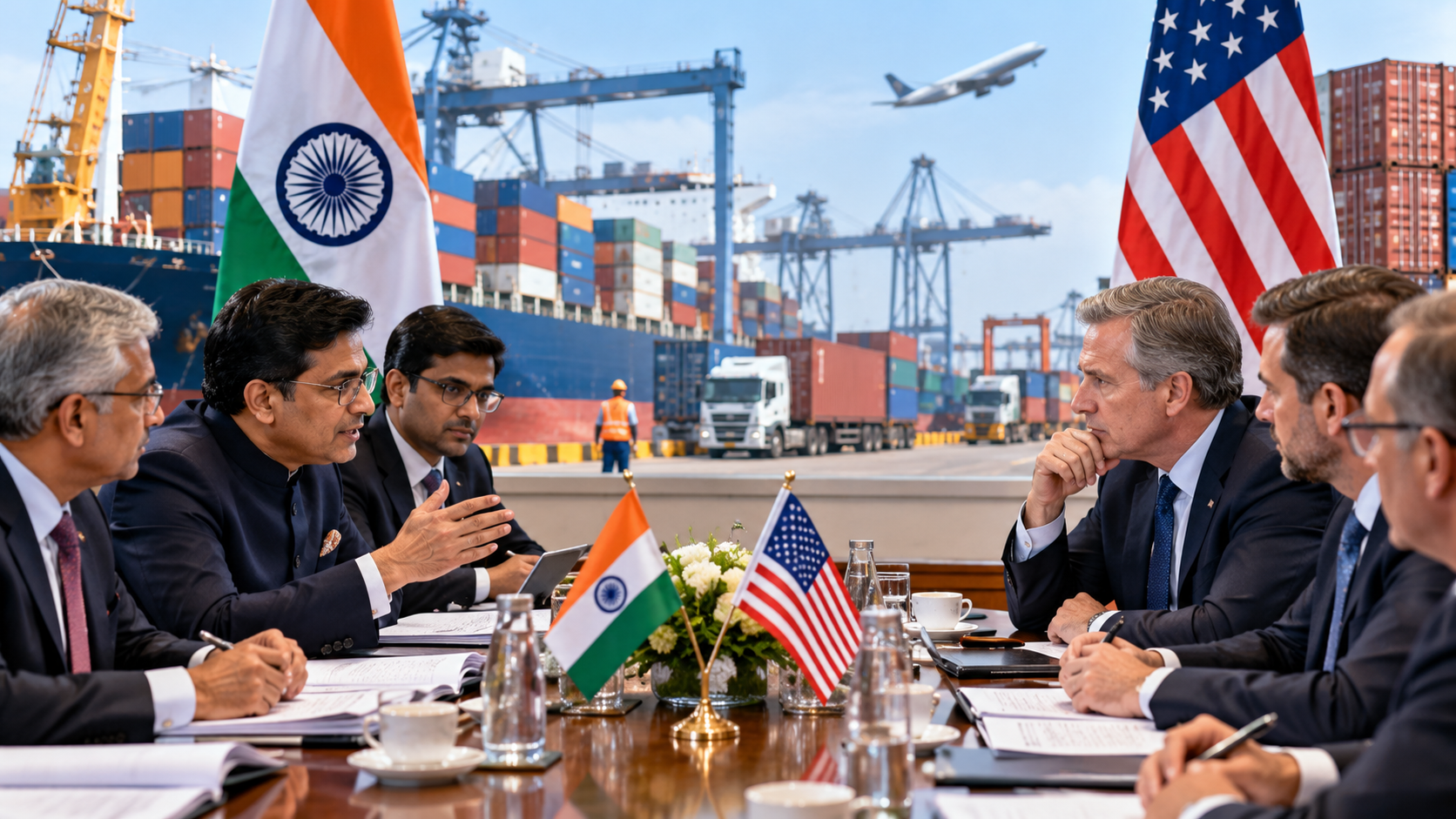
India, Mercosur to launch talks for expanding trade pact New Delhi, Sep 14
India, Mercosur Begin Talks to Expand Trade Pact Subheading: Both Sides Seek Wider Market Access Key Highlights News Story India and the South American trade bloc Mercosur have begun discussions to expand their existing trade agreement, with both sides looking to strengthen economic ties and create greater opportunities for businesses. The talks are focused on widening the scope of the current trade arrangement and improving market access for goods and services. An expanded pact could provide Indian exporters with better access to key South American markets while also increasing opportunities for Mercosur businesses in India. For India, stronger trade relations with Mercosur could help exporters explore new markets and reduce dependence on a limited number of trading partners. Sectors such as pharmaceuticals, engineering goods, chemicals, automobiles, textiles and other manufactured products could potentially benefit from improved access. Mercosur, which brings together major economies in South America, is also an important market for Indian companies seeking to expand their international presence. Greater trade cooperation could encourage businesses on both sides to explore new partnerships and investment opportunities. The negotiations come as India continues to pursue trade agreements with different regions to boost exports and strengthen its position in global trade. Expanding the India-Mercosur arrangement could further support this strategy by creating a broader framework for bilateral and regional commerce. Both sides are expected to discuss specific areas where trade barriers can be reduced and market access improved. The outcome of the negotiations will depend on the terms agreed upon by India and the Mercosur members.