
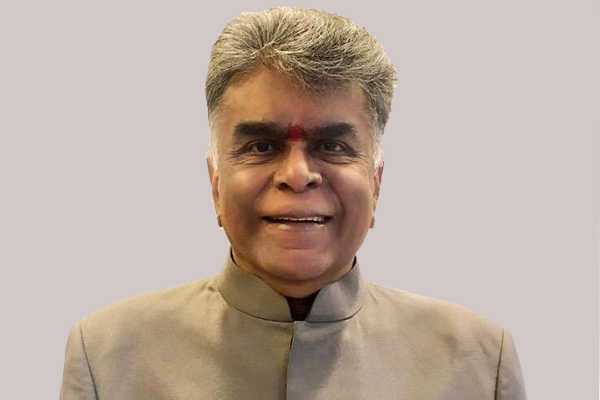
Dr A. Sakthivel, Chairman, AEPC is confident about the potential of India in the global PPE market. But he asserts that strengthening the supply chain, with input suppliers like fabric, tapes and other accessories also following the required standards, would be critical for the PPE suppliers to meet the technical requirements. IBT: What was your view of the global PPE market pre-COVID? How have the market dynamics changed in the past two months? Dr. A. Sakthivel: Apparel Export Promotion Council was studying the products in which we can diversify during COVID and technical textiles – PPE was one our focus products to diversify. I was very optimistic about the potential of PPE exports from India. In the past two months, market dynamics have completely changed and PPE products emerged as a boon for the apparel industry of India. Now, most of the apparel manufacturers are developing their capacity to manufacture PPEs. Production of PPE has grown from 0 to 8 lakh pcs per day in 3 months. IBT: India was not making any PPE kits prior to March 2020. Why were apparel manufacturers not looking at this opportunity at that time? Dr. A. Sakthivel: The ecosystem for PPE manufacturing like technology, raw material & market information was not there before March, 2020. However, all this has been put in place and the ecosystem for PPE manufacturing has been developed with policy support and driven by market demand. The government has now opened up a quota of 50 lakh PPEs for exports. Currently, with growing cases of COVID-19, PPE kits are required in almost every sector. IBT: What major adjustments are required in terms of the production process, raw material sourcing, adherence to standards, etc for apparel companies to pivot to PPE manufacturing? Dr. A. Sakthivel: Production process in the domestic industry had an internal capacity. However, India did not develop much testing capacities of PPE. But now BIS & institutions like SITRA have done commendable work and developed standards. However, the industry still needs to work on the international markets like the US & EU. The council is actively working with the Ministry of Textiles for better understanding and capacity building in this area. IBT: How do you view the potential for Indian players in the global PPE industry in the coming years, and how are they placed competitively at present? Dr. A. Sakthivel: The Indian apparel export industry has shown great agility in switching to production of Personal Protective Equipment (PPE) kits and scaling it up from zero units to 8 lakh per day in less than four months. We are now looking to grab market share of the US$ 60 billion global market. Major suppliers of PPE kits are China, Malaysia, Vietnam, Thailand and Germany, where China holds the largest share. Currently, we are placed in a very good position as we are ramping up our production and improving the quality. IBT: Furthermore, what should be the strategic approach and what kind of ecosystem support is necessary for India to compete in the global PPE market in your view? Dr. A. Sakthivel: The Council is of the view that PPE exports can be one of the biggest opportunities for India in the coming months. On the supply side, the major constraint is of the machines and inputs required for the production. Both are largely imported at the moment and policy support and indigenous capacity building would be important to increase supplies of these in the coming months. The industry wholeheartedly welcomes the decision of the Government of India for restricted opening up of PPE Medical Coveralls which is the need of the hour. However, the quota for 50 lakh PPE medical coverall exports is a first step towards a calibrated and gradual opening up of PPE exports. The Council’s assessment of the domestic production capacity for PPEs, including coveralls and masks, especially N95 masks, shows the potential for further opening up in the coming days. We have requested for gradual opening up, which will give India the opportunity to become a leader in exports of PPEs. IBT: What is the relevance of standards for this industry in the global context, and how well aligned are Indian companies with global standards? Dr. A. Sakthivel: An important element of the PPE market is the technical specifications, standards and certifications required. Strengthening the supply chain, with input suppliers like fabric, tapes and other accessories also following the required standards, would be critical for the PPE suppliers to meet technical requirements. Proper guidelines and compliance support for the whole value chain would be critical in strengthening the PPE manufacturing base in India. Also, awareness about international standards of PPEs to Indian suppliers would play an important role. We also request the government to have accreditation of Indian labs for PPE exports to major markets like US & EU. Dr. A Sakthivel has been elected as the Chairman of the Apparel Export Promotion Council (AEPC) by the Executive Committee for the year 2020 to 2021. He was first elected to the Board of Directors of Apparel Export Promotion Council in the year 1982 thus serving the council for almost four decades. Dr A Sakthivel has also served as Managing Committee Member of Federation of Indian Exporters organisation (FIEO) for more than a decade. He was also the President and Regional Chairman of FIEO, Southern Region. Dr A Sakthivel along with some exporters established Tirupur Exporters Association in 1990 widely known as TEA. He was the first President of TEA and with his dynamism, he held the post continuously for a period of 27 years. During his tenure as President of TEA, he toiled hard to develop the industry as well as Tirupur. During his tenure as President TEA, the export turnover of Tirupur industry increased to a whopping Rs 27,000 crores in 2016-17 from Rs 270 crores in 1990. Government of India recognised his unparalleled service to export sector specifically to apparel Sector and knitting industry, creation of infrastructure such as industrial parks, ICDs and his contribution to
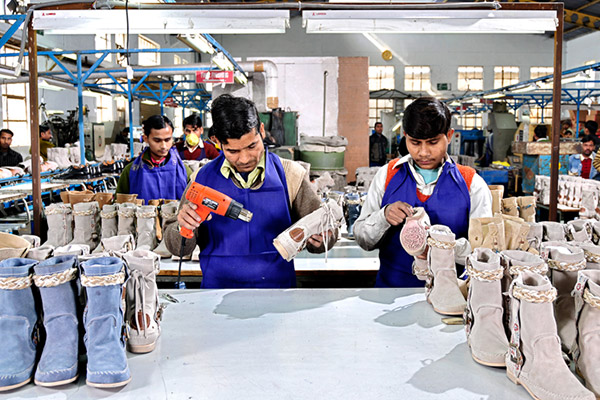
On a shoestring: COVID-19 & Indian footwear industry
• India has prided itself as being the world’s second largest footwear producer. The sector plays a major role in generating employment in the country, with about 400 jobs being created for every 1,000 pairs produced and sold in the country. • However, the onset of COVID-19 pandemic has sent the industry off track. This is owing to a string of demand factors such as weak consumer sentiment, closure of shops, depleting consumer incomes, and consequently, drop in revenues. • On the other hand, owing to the restrictions on imports, there was difficulty in obtaining raw materials. Further, the flight of labour is another factor that will affect the production. • The solution to overcoming these challenges lies in reassessing the current modes of production, supply and consumption. Credit: https://bit.ly/2AEbHZP For quite some time now, India has established itself as the world’s second largest footwear producer and consumer, after China. The sector accounts for 9% of the global annual production of 22 billion pairs and contributes significantly to the Indian economy. Leather footwear exports account for 49.23% of the total leather exports by India; with an annual production of 2,257 million pairs. The product mix is led by gents (55%), followed by ladies (35%) and children (10%). However, the COVID-19 contagion has led a string of demand and supply related challenges, which have dented the sector’s performance, primarily due to significantly subdued consumption. However, as COVID-19 proliferated across continents, key markets like US, UK, France & Italy became the global epicenters of this pandemic. To check the spread of this disease, these countries imposed nationwide lockdowns, which rendered a lot of shops being closed and significantly lowered the demand for shoes. Ramesh Juneja, Regional Chairman, Council of Leather Exports, informs: “Importers from US, UK, France, Italy, Spain and Germany have either cancelled orders or put them on hold. Some of them are also delaying payments. The loss is around US$ 1.5 billion and we do not know when we will be able to recover it.” The sales of footwear are down in the domestic market too. Ratings agency ICRA estimates a revenue loss of 10-15% owing to the closure of retail outlets and restriction of delivery of non-essential items in certain areas. For example, sales of iconic British footwear brand Clarks have been badly affected in India because of the COVID-19 outbreak. It is interesting to note that close to 55-60% of Clarks products are produced in India by players like Farida Group and TIL. India, too, like rest of the world, imposed a country-wide lockdown, which brought a halt to footwear sales in the country. After recording an 8% growth in January and February, the sales of Bata India Ltd plunged in March, leading to a 9% decline in the overall March quarter revenue to ₹620 crore. Relaxo Footwears’ sales also fell by 2.62% to Rs 643.80 crore. As unemployment rose during this period and the pandemic led to shrinking of disposable incomes in the hands of consumers, the demand for discretionary products nosedived too. Moreover, this period also facilitated a shift towards remote working. As per reports, even as malls in the country have opened, shoppers are staying away from them. Footfalls in stores selling non-essential items were down to 40%-50% of business-as-usual levels. Treading on slippery ground On the supply side too, the industry is struggling, particularly due to its heavy dependence on China for importing raw materials (about 30-40%). These include several components such as laces, shoe lining, buckles, ornaments, insoles, outsoles, cellulose board, shank board, foam and packing materials. The outbreak of the virus in China, the initial epicenter of this virus, meant the drying of supply chain. Ambud Sharma, Founder & CEO, Escaro Royale, explains: “China is also a major supplier of raw materials and components. The shutting of factories and production in China has wreaked havoc in the supply chain, leading to a sharp increase in the prices of various items.” In order to clear unsold stocks, there might be a marginal decline in the average selling price (ASP) due to the expected discounts owing to the companies’ inclination to convert the limited footfalls to shore up their cash flows while liquidating the inventory. Consequently, the capex outgo for the year FY 2021, both in terms of addition to the manufacturing capacity of plants as well as addition to the retail store network, is likely to be moderated. The sector is also impacted by the flight of labour and the break in production activities during the lockdown. The condition of raw hides lying in these factories has meant a further hit on business, as this is expected to impact production of leather shoes in the coming months. Gearing up for the future As markets revive post-COVID, Indian players need to look at reinventing themselves to overcome legacy challenges and boost their international standing, starting with the import dependence. Reducing this dependence will not only add to the turnover of domestic enterprises including MSMEs, but is also likely to translate to benefits through forward and backward linkages, better economies of scale along with cost competitiveness and importantly, enhancing the scope of employment in our country, according to Ambud Sharma. Arvind Soneja, Honorary General Secretary, Indian Footwear Components Manufacturer’s Association, adds: “As the footwear component industry is the backbone of footwear manufacturing in India, it should be the key focus area. The import dependency can be minimised by promoting domestic industry. ” Despite being the second largest producer, India is ranked 8th in exports of footwear with outer soles of rubber, plastics, leather or composition leather… (HS Code 6403). Moreover, India’s exports are overdependent on the European region with UK (17.1%), Germany (13.2%), France (7.4%), Italy (5.7%) and Spain (4.1%) being among its top 10 markets. This factor keeps it exposed to significant risk. Moreover, the predominant target audience for Indian footwear is the lower and middle income populations in target markets. There is a need to upgrade and serve more upmarket audiences. To enable this,
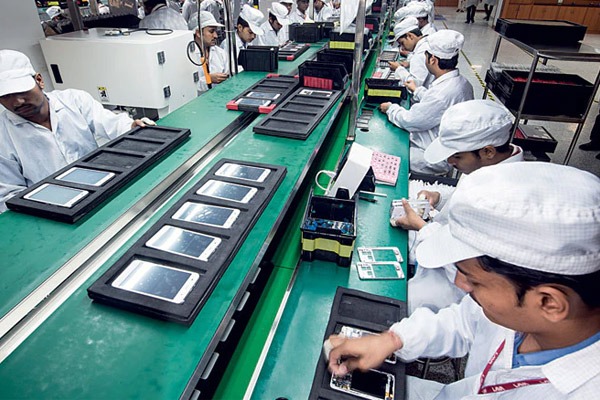
Cellphone industry: A case for holistic self-reliance
While ramp up in FDI is critical to the Indian cellphone industry, it must not come without a corresponing improvement in domestic capabilities. • COVID-19 provides an opportunity for India to attract greater investments from global lead firms in cellphone manufacturing for domestic scaling up as well as exports. • Recently announced policies including PLI, SPECS and EMC 2.0 are important interventions by the government in this regard. • The industry has laid out a post-COVID roadmap with an ambitious target of US$ 110 billion in mobile handset exports by 2025. • While the ramp up of FDI is critical to this technology-intensive industry in the near term, it should also lead to a rise in domestic capability with the build up of a strong component ecosystem. The US-China trade war laid the foundations for a growing sentiment in a lot of Western companies to reduce reliance on China, and either shift back production to their home country or look for alternatives across the world. The same thought reverberated across the ecosystem in 2020 when COVID-19, the virus that originated in China, made its presence felt across the globe. This has ensured a greater distrust towards China and strengthened the resolve among nations to diversify their supply chains away from the Middle Kingdom. While not country-specific, the Prime Minister’s Aatma Nirbhar Bharat initiative was launched as a clarion call to Indian industry to reduce dependence on imports. This, of course, has also acquired a China-specific dimension with the ongoing tensions at the border. However, the push for self dependence itself has to be based on a well planned, long term strategy, rather than a reactionary response to sudden crisis or geopolitical considerations. The Indian electronics industry is one example, wherein the government proactively led the call to promote indigenisation under the Digital India programme. With the active involvement of the industry, the initiative has met with considerable success, especially in the cellphone sector. In 2018, India managed to replace Vietnam and catapult itself as the second largest mobile phone producer in the world after China, according to Indian Cellular Association. The findings suggest that annual production of mobile phones in India increased from 3 million units in 2014 to 11 million units in 2017; while imports of devices reduced to less than half in 2017-18. Over the past 5 years, India has tried substituting imports by imposing duties on finished mobile phones and parts like batteries, chargers, wired headsets under the Phased Manufacturing Program by Ministry of Electronics and IT (MeitY). The country has consequently ended up becoming an assembling point for mobile phone devices like China & Vietnam. Lucrative global arena The amazing potential in networked products has been buttressed by the Economic Survey 2020-21 in the chapter on ‘networked products.’ The survey makes a case for export promotion over import substitution of networked products (including mobile handsets) and states, “By integrating ‘Assemble in India for the world’ into Make in India, India can create 4 crore well-paid jobs by 2025 and 8 crore by 2030. Exports of networked products, which is expected to equal US$ 7 trillion worldwide in 2025, can contribute a quarter of the increase in value-added for the US$ 5 trillion economy by 2025.” The domestic manufacturing of smartphones in India is expected to grow at a faster CAGR of 48.4% between 2017 and 2025, as per a Frost & Sullivan estimate. India Cellular and Electronics Association (ICEA) and consultancy major EY have set a huge target to take mobile handset exports to US$ 110 billion by 2025. It is a goal worth pursuing for strategic reasons as well, since electronics are among the top import product categories in most markets across the world. Morever, with 3x growth between 2018 and 2025, the Indian mobile handset market is expected to get relatively saturated. The COVID effect COVID-19 has proved to be a double edged sword for the mobile handset industry. On the not so bright side, market research firms International Data Corporation (IDC) and Counterpoint Research estimate that sales in the Indian smartphone market are likely to decline by 13-15%. This forecast is attributed to the recent spate of job and salary cuts leading to deferred purchases, companies unable to ramp up production impacting supply of models, and the recent increase in GST on smartphones from 12-18% making models pricier. On the brighter side though, the pandemic has created opportunities for the Indian mobile handset industry to replace China as the top mobile phone producer in the world. While PMP has helped in arresting the import of finished mobile phones partially due to shift of assembling operations to India, imports of parts and components have persisted due to lack of volumes within India. Nothing has made India’s dependence on other countries like China more apparent than the COVID-19 outbreak and the consequent supply chain disruption. A report by market intelligence firm Counterpoint Research predicts that India’s share in global smartphone production is set to fall to levels seen four years back due to the pandemic from 16% in 2019 to 9% in 2020. Apart from import dependency, there are other roadblocks affecting the sector’s performance. This is quite evident when India is compared to neighbours like Vietnam & China on a string of factors like corporate income tax exemptions; subsidies for machinery and equipment; R&D subsidy; labour subsidy; and so forth. If one looks at the overall subsidies offered by India (5.8%-8.7%), they are far lower than those offered by Vietnam (9.4%-12.5%) and China (19.2%-21.7%). Source: Mobile manufacturing in a post COVID-19 world, An ICEA-EY report On the road to the top Recently, the government unveiled guidelines for three electronics manufacturing schemes – PLI, SPECS & EMC 2.0. As per the fresh guidelines, the Production-Linked Incentive Scheme will extend an incentive of 4-6% on incremental sales (over base year) of goods manufactured in India and covered under the target segments, to eligible companies, for a period of five years subsequent to the base year. Meanwhile,
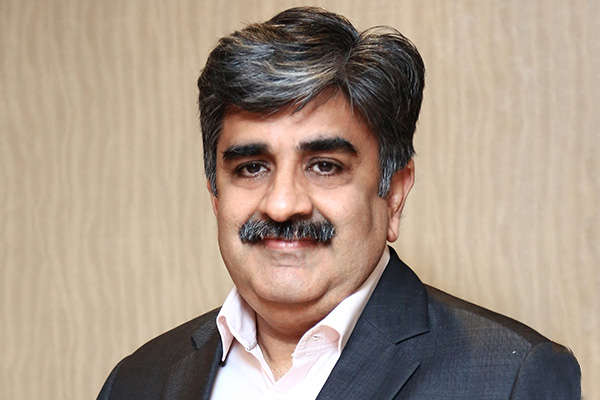
Cellphone sector: PLI, SPECS, EMC 2.0 have laid the foundation for something big
Pankaj Mohindroo, Chairman, India Cellular & Electronics Association (ICEA), elaborates on how Indian cellphone industry catapulted itself to being the second largest in the world. He also discusses how the industry is planning its progress towards an ‘audacious’ target of US$ 110 billion of mobile phone exports from the current level of US$ 3.6 billion. IBT: What key positive changes do you see in India’s electronics manufacturing ecosystem over the past 5-6 years? What role have government interventions under Digital India like M-SIPs, Electronic Manufacturing Clusters, etc. played in this regard? Pankaj Mohindroo: Digital India started in July 2015 and Make in India started in September 2014. Essentially, the one segment of electronics manufacturing which has performed brilliantly is mobile phone manufacturing, where the production has gone up by 1,100%. The rest of the electronics sector has not performed that well. In fact, our imports have gone up substantially. The success of the mobile phone industry in India is a combination of many factors. I think that the most important one of them was the role played by MeitY and ICEA in shaping the policies in a manner, which focuses on moving towards self-sufficiency and import substitution, while giving priority to exports and value addition. At the same time, they tried to make sure that they don’t create an industry which is dependent and uncompetitive. This step-by-step approach helped us to reach these humongous numbers. IBT: There is a view in the academic circles that although there is a remarkable improvement in the exports of the final product, our imports of components still exceed those of the finished product in value terms. So, what is the approach towards ensuring that greater value addition takes place within India? Pankaj Mohindroo: Currently, India manufactures over 1 lakh crore electronic components required to produce mobile phones. We are planning to increase the imports of components massively. If you look at the import of electronic components in China, it amounts to US$ 400 billion (INR 30 lakh crores). India has to import these components, add value and export them to the rest of the world. IBT: How is India currently placed vis-à-vis competing nations as a hub for electronics manufacturing? What are the key benefits and drawbacks of the ecosystem? Pankaj Mohindroo: In volume terms, we are the second largest producer in the world. The other leading producers in the world are China and Vietnam. Although our exports have grown very rapidly, currently they are worth US$ 3.6 billion (INR 28,000 crores); which is just about 1.5% of the world exports. So, that’s the major portion that we have to occupy and we are accelerating very rapidly. IBT: What role will the recently announced Rs 50,000 crore package including PLI, SPECS and EMC 2.0 play in helping India emerge as an electronics export hub by 2025? How will these initiatives help India build a strong component manufacturing base and what more needs to be done in this regard? Pankaj Mohindroo: We are not waiting till 2025 to increase; we have numbers to achieve till 2025 – US$ 110 billion of mobile phone exports from the current level of US$ 3.6 billion. It’s a very audacious target and we are determined to do it. After that, the overall electronics manufacturing target is around US$ 400 billion. So, bulk of it will be exports. The recently announced trilogy of schemes – PLI, SPECS and EMC 2.0 – have laid the foundation for starting something big. It fulfills the Hon’ble Prime Minister’s vision for making India a global hub for manufacturing. The impact of the PLI scheme will be visible before the end of FY 2020-21. PLI is a very critical policy for the growth of our mobile phone exports. It is the engine of growth for the entire electronics industry. IBT: How do you view the potential of India in terms of high end manufacturing and innovation-led growth in mobile handsets? What needs to be done to ensure that India stays in step with the curve in terms of quality and technology standards in this segment? Pankaj Mohindroo: This is an area where we have to add very substantially. This is particularly important because we have a lot of global R&D and development happening there, but we have to build an ecosystem to build our domestic companies. Only then can the domestic companies become global champions. We have to plan this strategically. Currently, India does not have in-house technology and R&D. Global lead firms (Samsung, Apple, Huawei, Oppo and Vivo) can bring in advanced and cutting-edge technology that may not only aid their production processes, but also that of domestic firms. Domestic companies can initially begin by becoming white label suppliers to some of the global lead firms and in turn, improve their production systems. With the right policy environment and stimulus, these Indian companies could reach global scale. IBT: The industry is dominated by a number of SMEs. How is the government planning to help them become more competitive and scale up production? Pankaj Mohindroo: The way the global electronics industry is structured, large companies lead the industry. The SMEs are second and third tier suppliers to these companies. So, the best thing for India to do is to build large global companies and automatically, SMEs will start getting built accordingly. IBT: How has the COVID-19 crisis impacted the supply chain and business turnover for the industry? Pankaj Mohindroo: The spread of COVID-19 and the subsequent lockdown of countries has brought economic activity to a standstill across the globe. As a result, supply chains stand disrupted globally. In addition, the ongoing crisis has also highlighted the vulnerability of the domestic mobile phone manufacturing system, being heavily dependent on import of parts and components for undertaking manufacturing/assembly operations in India. This calls for proactively seeking investments through global lead firms and re-orienting supply chains from being import-led to domestic production. However, it is also relevant to highlight the importance of exports in the creation of

Solar sector: Cutting China dependence neither easy nor impossible
Gaurav Aggarwal, Vice Chairman, M/s. Sainik Industries Private Limited, opines that the COVID-19 pandemic is indeed a wakeup call for the solar industry as the sector has been severely impacted due to the shortage of solar components imported from China. He opines that the way to shun this import dependency on our neighbour is to start by manufacturing the less capital intensive solar components. IBT: What impact has COVID-19 had on your solar panel business? How is it expected to impact the demand for renewable energy in the country? Gaurav Aggarwal: Solar is a fast-growing sector in our country and we see tremendous potential there. However, just like most industries, the growth rate is impeded by the current situation. The COVID-19 pandemic is indeed a wakeup call for the solar industry as the sector has been severely impacted due to the shortage of not just cells and modules but also other ancillary products. There was restriction of work imposed on most of the COVID-19 affected provinces in China, which are hubs of solar panel manufacturing units. Off-late, India is the biggest importer of these modules as almost 80% of the solar cells and modules used in Indian projects are coming from China. Yes, for the time being, COVID-19 has slowed down demand for renewable energy in the country, as now we are more focusing on rooftop solar projects, which are the worst impacted by COVID-19. While the rooftop sector is expected to benefit household users, COVID-19 has impacted the spending capacity of every person, whether it is an individual or a company. IBT: What were some of the challenges that you faced during the lockdown? Do these challenges still persist and how are you managing them? Gaurav Aggarwal: Lockdown impacts are visible in the supply chain. Both raw material and labour were not available. Consequently, this resulted in a delay in production and ultimately a delay in commissioning of the projects. Yes, the challenges still persist, and I think we should be ready to embrace a more severe impact of this lockdown, which will be reflected in a couple of months ahead. But like I said above, this situation is a wake up call for us – we should accept these challenges and move ahead with more possible ways out to overcome this situation of shortage of raw material. We are managing with all our available resources and trying to complete our projects on time. IBT: How can the industry reduce India’s dependence on China for the import of solar panel components? Gaurav Aggarwal: It seems very simple in a manner of speaking that by restricting imports from China and starting manufacturing in India, the solar industry can reduce its dependence on China for all its component requirements. But it is neither that easy nor impossible. I think it can be done certainly, but only in phased manner with complete Government support, backing and favourable policies. We should start from manufacturing of small components to the bigger ones. As smaller components manufacturing units are less capital incentive and requires less time to setup. Once we complete this phase of small components, we should move to our next phase of bigger or core component like cells manufacturing units, which require a lot of capital. I think this standoff between India and China will definitely open new doors for Indian manufacturing industries to reduce their dependence on China. IBT: The MNRE is encouraging states to allocate land parcels ranging between 50 and 500 acres in size in their regions that can be used to set up renewable energy manufacturing and export services hubs. What is your take on this? What impact will it have in attracting foreign investors? Mr. Gaurav Aggarwal: Well, I think it is a good move by the Government to prioritise this sector and allocate land banks specifically for manufacturing and export service hubs. Apart from that, the government is bringing out several schemes to help manufacturers. It is an effort to meet the target of achieving 175 GW of installed renewable energy capacity by 2022. In my opinion, this step will certainly incentivise foreign investments as most of the non-Chinese companies want to move away from China due to the impact of COVID in their respective countries. This move of the Government is an open invitation to them to open their units in India in specifically allocated land banks. Apart from that, foreign investments in commissioning projects will prove to be saviours for project owners who are the worst affected due to this pandemic. COVID-19 led economic slowdown is expected to affect solar project installations in the first half of the current financial year and the sector is only likely to start recovering in the second half. The industry usually completes most of the projects before the monsoon season; however, most of these projects will now be initiated only after about six months. This will alter the working capital cycle of the solar industry with deferred payments. IBT: How will COVID-related disruptions impact India’s progress towards meeting its 175 GW renewable energy goal? Mr. Gaurav Aggarwal: Overall, the solar industry has been considerably affected due to the COVID-19 outbreak with issues like cash flow crunch, recovery of payments from distribution companies, working capital requirement, workforce availability and mainly supply chain disruptions. The rooftop solar segment will be adversely affected as these are small-size firms and lack the economic capacity to absorb losses. The government’s approach towards this situation has been quite positive to limit the negative effects on the sector. It will largely depend on how the industry bounces back once normalcy is restored. So far, we can say that FY 2021 will see week commissioning in Q1 and Q2. There is a project bunch up, but resolution of policy issues, availability of land and timely execution will determine future growth. Gaurav Aggarwal is a Chartered Accountant and Company Secretary. He is the Vice Chairman of M/s. Sainik Industries Private Limited and he is in the business

On-demand home services: Rich dividends, tough terrain
The opportunity for on-demand home services in India is huge, but effectively tapping it requires far greater organization on the supply side via an integrated, full-stack services approach to build customer demand and loyalty. • Customer propensity towards in-home delivery in pandemic times is a major positive for on demand home services providers like Urban Company, Quikr, Housejoy and MrRight. • The post-lockdown period has seen a fast rebound in core segments of beauty & personal care and repairs & maintenance. Apart from these, home cleaning and disinfection have opened up new business potential post-COVID. • On-demand home services has seen a visible surge over the past few years, largely led by increasing urbanization and disposable incomes, rise of the nuclear family, growing demand for various services and convenience and paucity of time. Post-COVID, the demand equation could prove even more lucrative. • However, the major constraints are on the supply side – relatively unorganised nature of the industry and difficulty in meeting customer expectations while managing unit economics. In the COVID-19 crisis period, where public places rarely witness ‘public’ presence, it is widely accepted that a lot of out-of-home consumption will move inside the house. Across merchandise categories, customers are now far more prone to give ‘touch and feel’ a break in favour of ‘contactless delivery’. A survey by LocalCircles across 231 districts affirms that around 36% of e-commerce customers have placed all their orders via e-commerce sites since lockdown restrictions ended – this includes gadgets, appliances, office/school supplies, toys, etc. Source: RedSeer; survey of users on a particular on-demand home services platform When you extend this analogy to services, it gets even more interesting. Times are dire for professions like barbers, beauty specialists, gym & yoga trainers, etc. Home services definitely do not compensate for the loss of physical in-store business, but can serve as a vital revenue stream in the present time. This is a major positive for the on-demand home services market in India, let by the likes of Urban Company, Quikr, HouseJoy and Mr Right; who provide them with vital avenues to retrieve lost business. Urban Company has confirmed a visible surge in business, acquiring at least 33% new customers since the lockdown began. Through its platform, the firm has serviced 5 lakh households, dominated by AC services and repairs (4 lakh households). Varun Khaitan, Co-founder, Urban Company, comments to IBT: “The business has rebounded strongly after the lockdown. There are segments like home repairs, which are close to pre-COVID levels and even those like men haircuts at home, which are already larger than previous levels. As more consumers prefer to consume services in the safety of their home and through organised platforms following safe practices, our business stands to gain.” QuikrEasy is seeing a rise in demand for services like appliances, internet broadband, inverter, and battery rentals since the lockdown as compared to pre-COVID months this year. HouseJoy also sees a rise in demand for home maintenance, fumigation and beauty services post-lockdown. So just like e-commerce in products is benefitting from higher in-home consumption, will ‘e-commerce in services’ also see sunnier days post-COVID-19? Could the pandemic in fact be just the push that this sector needs, given the expected uptick in demand? Lucrative market, but with riders On-demand home services market is projected to reach a size of US$ 1.6 trillion globally by 2024, indicating a growing interest from both startups and established players. In comparison, the market size of Indian home services industry as a whole is currently projected at US$ 100 billion, with an average annual spend of Rs 25,000 per household every year. The online home services market on the other hand is pegged at around US$ 200 million in 2019, and growing at around 100% annually. Factors including the increasing urbanization and disposable incomes, rise of the nuclear family, growing demand for various services and convenience and paucity of time are key markers driving immense potential for this market. And they have been relevant in pre-COVID times as well. A report by market research firm RedSeer released in December last year concluded that 56% of customers valued convenience as the key driving factor for choosing on-demand home services; 35% chose quality while only 10% felt price was the deciding factor. In the arena of beauty and salon services, skill of service professional counted as the most important driver for shifting from offline to online (81%), followed by service range (71%) and quality of products (64%). Price came 4th in terms of consideration with just 48% respondents. India’s trajectory of growth for this sector has actually been better vis-à-vis other parts of the world, particularly because of the way the services sector is structured. The two services sectors that have seen maximum growth and account for around 80% of the market are beauty/men’s grooming and repairs of appliances. There were significant gaps in these segments, given their unorganized nature, thereby providing an avenue for platforms like Urban Company to make an impact. Varun Khaitan affirms: “The existing service ecosystem in India had more gaps and the approach taken by Urban Company has been different. It’s a full-stack approach where the platform ensures end-to-end control and good quality experience as opposed to most platforms in the west, which only introduce you to service professionals.” He is confident that similar opportunities to build full stack services platforms exist globally, which would primarily imply “an entire ecosystem of capabilities including standardization of services, training, financing, an internal supply chain of products and a lot of industry-specific technology”. In line with this vision, Urban Company has expanded to international destinations including Australia, UAE and Singapore. When you look at how the industry has trended, however, a number of players have tried their hand at on-demand services and failed. The primary constraint is actually on the supply side, as Ujjwal Chaudhry, Associate Director, RedSeer Consulting, elaborates, “First is getting a quality supply of providers, ensuring that they have the right kind of training and things to
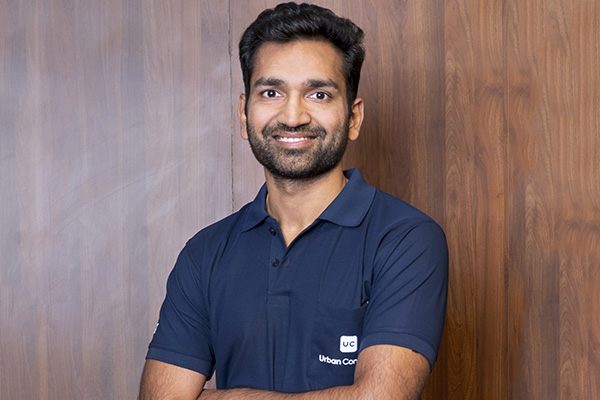
“Urban Company has developed a full stack services platform”
Varun Khaitan, Co-founder, Urban Company, is confident of grabbing market share in the company’s core services of home care and personal care post-COVID, besides expanding to new opportunities like disinfection of homes and offices. IBT: How has Urban Company’s presence in the on-demand home services market evolved since inception? What would you identify as key achievements by your company so far, in terms of competitive advantage, quality of the overall offering and business numbers? Varun Khaitan: When we started Urban Company back in 2014, we were one among 300+ startups entering the on-demand home services market. However, I can confidently say, over the years, we have consolidated our position in the market. Today, we are market leaders in the Beauty & Wellness and Home Repairs & Maintenance categories. The Beauty & Wellness category comprises salon and spa at home services for both men and women. The Home Repairs & Maintenance category comprises services offered by plumbers, electricians, carpenters, appliance technicians, home deep cleaners and painters. Our key achievement is the quality of experience we provide at scale to our customers and service partners. Across all services above, customers get trained professionals to come home on-demand and the entire end to end experience (booking, on-time arrival, service process, products and tool used, pricing) is controlled and guaranteed by us. The platform has no middlemen, service partners attach themselves directly as entrepreneurs and get more respect from customers, multiple times higher earnings and a well-balanced life with more family time. IBT: How is your business distributed geographically viz. urban centres vs tier 2, 3, 4 towns? How is this share expected to change in the coming 5-10 years and why? Similarly, how is it distributed by SEC class and who is your key target audience? Varun Khaitan: In the past 18 months, we have opened offices in 10 tier II cities – Bhubaneswar, Chandigarh, Indore, Jaipur, Lucknow, Ludhiana, Nagpur, Surat, Visakhapatnam and Vadodara. Of these, we launched services in Bhubaneswar, Indore, Nagpur and Surat very recently in February 2020. With this, we are now present in the top 18 cities of the country. The business is currently concentrated in the top 8 cities and I expect the new ones to have a larger share over time. Over the next 5 yrs we will expand our presence to the top 50 cities. We have also expanded internationally and currently operate in the UAE, Singapore and Australia. Our users predominantly have household income over Rs 10 lakh per year. IBT: How has the on-demand services market in India evolved in comparison to other parts of the world? What are the key takeaways in terms of growth potential and business strategy, based on this benchmarking? Varun Khaitan: While in some service industries like ride-hailing and food delivery, evolution in India is similar to other parts of the world, in home services the adoption of online platforms has been faster in India. This is largely because the existing service ecosystem in India had more gaps and the approach taken by Urban Company has been different. It’s a full-stack approach where the platform ensures end-to-end control and good quality experience as opposed to most platforms in the west, which only introduce you to service professionals. The opportunity to build a full stack services platform exists all over the world and that is the aim of our expansion. The full stack approach requires one to build an entire ecosystem of capabilities including standardization of services, training, financing, an internal supply chain of products and a lot of industry specific technology. IBT: What are the opportunities and challenges in delivering services via e-commerce in India (for the metroes and the hinterland)? To what extent have you been able to tackle these challenges, and what are the focus areas going forward? Varun Khaitan: The opportunities and challenges are much the same and so are the expectations in metros and elsewhere. The opportunity is to upgrade the quality of services and in a small meaningful way quality of life of the Indian consumer. With our personal and home services we want to help India take better care of self, be relaxed and have a happy home environment. The main challenge is that the service industry in India is informal – there is widespread lack of price transparency and skilled professionals. We see a large opportunity in this – we set right prices for our services and run over 100 training centers which up-skill close to 2,000 professionals a month and bring them onto our platform. The second challenge and core focus areas at Urban Company is trust and safety. We have a stringent 5-step onboarding process, wherein we do background verification of the potential partners, apart from skill and aptitude tests. With the COVID-19 outbreak, we have added an extra layer of safety and hygiene to our service delivery model. IBT: How is the COVID-19 pandemic and the subsequent lockdown affecting your business? How do you view the overall impact through this year and the recovery curve? Varun Khaitan: During the past 80 days of lockdown, we were closed for the first 20 days, then allowed to operate with some essential services such as home repairs and then all services since the beginning of June. The business has rebounded strongly after the lockdown. There are segments like home repairs, which are close to pre-COVID levels and even those like men haircuts at home, which are already larger than previous levels. As more consumers prefer to consume services in the safety of their home and through organised platforms following safe practices, our business stands to gain. To share some numbers, we have serviced and repaired appliances in 500,000 households since the lockdown was announced. We launched a wait list program during the lockdown and within 10 days, we had close to 1.5 lakh consumers sign up for those services. The overall recovery curve for the economy is likely to be slow and stretch to the end of the year at the least,
“Digital marketing of tea can be game-changing”
Kausshal Dugarr, founder of Teabox, opines that there’s no reason why the industry together cannot come and create a platform where they get an opportunity to sell directly to buyers; even to those based outside India. He also sheds light on some of the company’s innovative strategies like connecting with customers every week on social media to address their concerns in these testing times. TPCI: What are the key markets that Teabox caters to? What effect has the onset of COVID-19 had on the demand of premium tea in the domestic & international market? Kausshal Dugarr: The key markets that Teabox caters to predominantly are North America (US), certain countries in Western Europe & India too. Honestly, we did not see any significant drop in demand from COVID because the category of product which we are catering is pretty much the habit of people. In fact, with people staying at home and consuming more tea, the demand only rose. However, the area where we definitely did face some challenges was our ability to fulfil and ship these products, because the supply chains had been affected; the courier companies had been shut. Due to that, for a significant period of time, we were not able to ship our products. Now, I think we are pretty much back in shape from a supply chain perspective as well. TPCI: A number of foreign buyers have not been able to make it to India owing to the curbs on movement of people and the ceasing of international travel? What are the possible business models that the industry can explore in this scenario? Kausshal Dugarr: Right now, a lot of people come, they taste their teas and ship things out. Everything requires a physical touch, feel, look of that product. We are selling B2C. There’s no reason why the industry together cannot come and create a platform where they get an opportunity to sell directly to buyers, even to the buyers outside India. At times, especially during COVID, you can’t tell buyers to come and taste your product. At teabox.com, our customers don’t come and taste the product. They look at the product, read all the description and purchase it. If the industry could create a way of looking and understanding the product, then COVID or no COVID, you have the ability to reach a much larger audience because physical travel is possible only by a certain amount of people; not everyone who is ending up buying. Many of these guys who come are big wholesalers and not buyers themselves. The moment you move things digitally, you have the ability to not just reach the big wholesaler, but even the smaller wholesalers and retailers who are willing to pay a higher price in the market. This would hopefully lead to a better value realisation. If the industry adopts this model, it could be a game-changer. TPCI: According to media reports, the imposition of lockdown has led to serious compromises with the quality of tea? How is Teabox gearing up for this challenge? Kausshal Dugarr: Teabox is all about direct-from-source, and thankfully we are able to be direct-from-source because we are at the source. Prior to the lockdown, decent amount of teas had been already manufactured. In the usual scenario, many of the samples would have gone outside India as well. But given that everything – shipping, courier, etc. – was going to get stuck, we were able to access and purchase the tea, which was pre-COVID and which could not go out. So, from our perspective, we didn’t even have to compromise on the quality. We were able to get the best teas when the lockdown was lifted of the ones which were manufactured during the pre-lockdown period. Also once the estates started manufacturing post-lockdown, given that we were at the source, our team was able to go to the gardens on a daily basis and we had the ability to get the best from the gardens. We have been fortunate enough because of our business model and our presence at the source. So irrespective of an overall drop in the quality of tea, which would have happened at a certain time, we got the best tea because we had immediate access and proximity to our states. TPCI: Earlier during our conversation, you mentioned logistical difficulties and the consequent delays in shipping your products to your clientele. Did this in any way endanger the quality of the tea manufactured before COVID? Kausshal Dugarr: Not really. Whenever we sell teas out, our tea is protected in all forms from all the major its major enemies like moisture, heat and the presence of oxygen. Once the tea comes into our facility, it is kept in a climate controlled environment. We maintain temperature and humidity, remove all the impurities and vacuum pack it. So, when the tea leaves our facility, it is in the form of vacuum packed loose long leaf tea. Vacuum packaging ensures that there is no air, and hence, no oxygen and that ensures that the quality of the tea is not compromised. We ensure that the quality of tea is preserved by packaging it within a day or two. So, there’s no loss of quality. Quality loss happens after a week of the tea being produced. With our presence at the source, we stop any deterioration in the quality of tea through our packing process and when it leaves our warehouses, we ensure that there is no quality deterioration whatsoever. TPCI: Industry experts opine that tea plantations are quite crowded and the workers can be found in unhygienic conditions. This is a cause of alarm for consumers and can seriously jeopardise tea sales? How do you plan to dispel such concerns among your consumers? Kausshal Dugarr: I don’t agree with this that the tea plantations are quite crowded. Plantations themselves are so big that there is a lot of space. Even if there is a crowd so to speak, there is enough distancing
Cross selling opportunities for services will remain a key focus area
Pranay Chulet, Founder & CEO of Quikr, affirms that the on-demand home services industry is witnessing a strong uptake across categories post-lockdown. However, he also admits that there is a need for drastic transformation measures in this fragmented sector. Training and hiring of service providers by/via the organized sector can help play a big role. IBT: How has Quikr’s presence in the on-demand home services market evolved since inception? What would you identify as key achievements by your company so far, in terms of competitive advantage, quality of the overall offering and business numbers? Pranay Chulet: Right from the get-go, Quikr revolutionized the digital classifieds business and we marked our leadership in a market where there exists none. Over the last five years we have gone deeper in some of the high demand and high growth categories such as Goods, Blue Collar Jobs, Real Estate, Auto along with QuikrEasy, our services category. Being an India-focused player, we could clearly see that was the right way to create a market leading horizontal, results of which are clear, specifically during these times. With QuikrEasy, we went beyond buying and selling to organize the unorganized and connect customers with service providers through verified location-based services, reducing the time and effort taken to find technicians or experts in a given area. Our goal is to make day-to-day life easier for our consumers by helping them save time, effort and money as they go about their chores or try to upgrade their lifestyles. In achieving this goal, we would have created a platform that benefits thousands of service providers (individuals and Small and Medium Businesses) across the country and would have also simultaneously helped build their business in a predictable and sustainable manner. We believe that QuikrEasy is uniquely positioned to deliver on this vision and build a viable and profitable business model by leveraging the vast user base and strong connect built by Quikr over the years. There is also an added advantage of deriving natural synergies with the other verticals such as QuikrHomes, QuikrCars and Doorstep. Current unprecedented times have been tough on businesses, especially small and medium service providers that are now seeing much value coming from a broad-based platform like Quikr where they can list themselves and get leads too. IBT: How is your business distributed geographically viz. urban centres vs tier 2, 3, 4 towns? How is this share expected to change in the coming 5-10 years and why? Similarly, how is it distributed by SEC class and who is your key target audience? Pranay Chulet: The platform allows individual service providers to get listed and become discoverable to the young and urban population for home services. Based on the demand for different types of services, we see increasing traction in metros as well as non-metros. Overall our platform caters to a wide range of sectors, for e.g., luxury cars and high-end homes would have a different target audience than jobs. Goods and services are more need-based. In general, the share of monthly users on our platform is 50:50 for metros v/s non metros. IBT: How has the on demand services market in India evolved in comparison to other parts of the world? What are the key takeaways in terms of growth potential and business strategy, based on this benchmarking? Also, how has its growth been different from e-commerce in goods? Pranay Chulet: The typical urban consumer has a wide range of needs from interior design to carpentry, from home cleaning to pest control, from computer repair to leaking taps and many other such daily needs. Home services are seeing increasing adoption among urban consumers. Given the paucity of time and the high level of stress in their everyday lives, these consumers are looking for convenient and reliable solutions to their daily household needs. In fact, studies show that Indian households spend Rs. 25k annually on home services. Globally, the on-demand services market has leapfrogged in terms of its evolution as what was an entirely unorganized market earlier, is now, according to studies, poised to grow by US$ 1,500 bn during 2020-2024. For India specifically, some of the categories like Beauty, Plumber, Electrician, Pest control can benefit from the full stack model as long as the unit economics for those work in favour of businesses adopting it. At Quikr, we see the natural cross-category advantage unique to us. Whether it is our goods vertical, QuikrBazaar or QuikrEasy, our verticals have turned us into India’s true horizontal leader. IBT: What are the opportunities and challenges in delivering services via e-commerce in India (for the metroes and the hinterland)? To what extent have you been able to tackle these challenges, and what are the focus areas going forward? Pranay Chulet: We verify service providers that we on-board in a non-full stack model, something that helps ensure the quality of delivery. Services, by its nature, is hard to standardize beyond a certain point, but we do our best to recommend the right service providers to our users. We are on-boarding more service providers in new markets (Tier 2 cities) and also adding new sub-categories. There is a need for drastic transformation measures in this fragmented sector – given the importance of services in our society, training and hiring of these service providers by/via the organized sector can help play a big role. IBT: How is the COVID-19 pandemic and the subsequent lockdown affecting your business? How do you view the overall impact through this year and the recovery curve? Pranay Chulet: While there was a lot of uncertainty in the industry when the world was first hit by COVID-19; with people learning to live with it, governments going in for gradual relaxation in lockdowns, classified marketplaces like Quikr are beginning to see positive signs of growth. In fact, QuikrEasy has been seeing an increase in the demand for services like appliances, internet broadband, inverter, and battery rentals since the lockdown as compared to pre-COVID months this year. This shows that the industry is bouncing
E-commerce players have realised limitations of deep discounts
Sanjesh Thakur, Partner, Deloitte India, opines that in recent times, e-commerce players are trying to leverage Kirana stores as a part of their distribution chain. So, the future for the kirana stores looks exciting with the fusion model of being a direct to consumer outlet plus offering a last mile fulfillment. IBT: What is your view on the unique attributes of the Indian kirana store ecosystem? What has enabled it to survive the test of time, even as the Indian retail landscape has been in a state of constant flux? Sanjesh Thakur: The Kirana store ecosystem has stood the test of time and is an important channel that cannot be ignored by manufacturers. Even with the hyper growth of e-commerce and organized trade, Kirana stores have found a way to co-exist and still be relevant to most FMCG manufacturers. By industry estimates, there are about 12-15 million Kirana stores in India and a large share of the consumer spend (90%+) still resides with Kirana stores. When it comes to consumption of daily grocery items, Kirana stores cater to ~137 cr Indians vs ~12-15 cr Indians who rely on e-commerce and modern trade formats. Convenience (order on phone, same day free delivery, credit for long term customers), highly localized assortment relevant to the catchment and a deep understanding of customer needs are some of the unique value propositions of Kirana stores that are highly valued by consumers. These value propositions have helped cement the position of Kirana stores as front runners, when it comes to trade in India and build a loyal consumer portfolio. IBT: What are the key issues that kirana stores are facing with the entry of e-commerce players? How has it affected their business model and sustainability? Sanjesh Thakur: To attract customers, e-commerce platforms started offering deep discounts. However, over time, they have realized that to retain customers, offering deep discounts might not be the best way forward given the huge cash burn. Manufacturers also realized that over time, price disparity between e-commerce and brick and mortar was not helping them maintain a consistent brand experience. In recent times, e-commerce players are trying to leverage Kirana stores as a part of their distribution chain. Two leading e-commerce players recently have onboarded 10K+ retail outlets to help with order collection and last mile fulfillment. A recent deal between a social media platform and an Indian mobile service also banks on empowering 3 crore Kirana stores by connecting them to consumers via a popular chat application. So, the future for the kirana stores looks exciting with the fusion model of being a direct to consumer outlet plus offering a last mile fulfillment. Further, a growing number of hyper-local, local and regional aggregators have also helped kiranas broaden their customer base. These aggregators connect consumers to their preferred store or let consumers order what they want and the aggregator finds the closest store where the product is available. IBT: What advantages do Kirana stores have vis-a-vis e-commerce players? How has the Indian customer pattern transformed across economic classes over the years, when it comes to buying daily essentials? Sanjesh Thakur: E-commerce and the increase in internet penetration has definitely impacted consumer behaviour globally and in India. Buying decisions are made by consumers even before they visit retail outlets to purchase products. When it comes to buying essentials, the young working middle class population has adopted e-commerce faster than any other strata of Indian consumers. One of the prime reasons for this adoption is the flexibility and convenience offered by e-commerce platforms. The Indian consumer is extremely price sensitive and hence an e-commerce platform is the first place that consumers visit to explore offers and discounts. Due to COVID, there is also a shift in consumer behavior and spending patterns. According to Deloitte’s global consumer tracker survey, the spending patterns of the consumers have changed over the last twelve weeks with 55% of respondents willing to spend a lot more on less discretionary items like groceries and 52% on everyday household goods. Also, intent to use digital services has seen a rise with 44% respondents very likely to use it for groceries IBT: What technological interventions and operational changes can help kirana stores be in sync with the times, be more responsive to consumer needs and effectively compete with the larger players (online and offline)? Sanjesh Thakur: Majority of the Kirana stores hardly use any technology. The biggest drive in POS modernization was Kirana stores adopting mobile wallets during demonetization. E-commerce players partnering with kirana stores will enable a scaled digital platform across India that will enable: (1) Development of localized and regional consumption insights (2) POS management (3) Inventory management and visibility (4) Digital payments (5) Integration with the wholesale Suppliers and FMCGs for a lean B2B Supply Chain (6) Allow store owners to monitor and manage business performance easily through a mobile app (7) Enable them to participate in e-commerce by becoming a seller on the integrated digital retail platform of India This would be a win-win situation for both e-commerce players and kirana stores. IBT: What will be the challenges and critical success factors for e-commerce companies looking to partner with these kirana stores in a big way? Sanjesh Thakur: E-commerce players will need to invest time and capital to digitally enable a sizeable population of kirana stores. Given that kirana shop owners are still reluctant to use technology, a significant amount of training and hand holding would be required to streamline operations. E-commerce players will also need to build trust by offering a great value proposition to the kirana store owners. IBT: How has e-commerce aligned with traditional retail in the developed world? How will India’s journey be different? Sanjesh Thakur: In developed countries, large format/big box retail made it difficult for local mom and pop shops to survive. However in India, government regulation, paucity of space and the USPs offered by Kiranas have helped kiranas survive and thrive. Given the large consumer base and high degree
