Feedforward effects of a robust startup ecosystem are tremendous

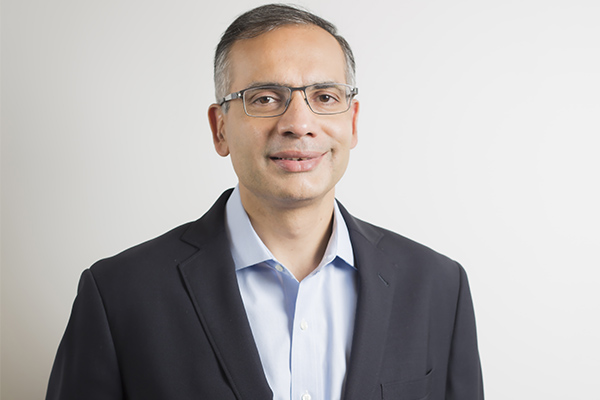
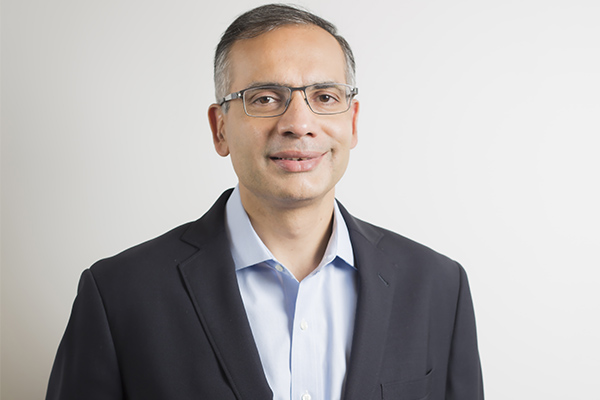
Deep Kalra, Founder & Group CEO, MakeMyTrip, feels startups have driven economies of scale, standardization & bottom line growth for offline retailers & small businesses. On the other hand, it has also enabled the presence of wider choices and the access to enhanced products and services to customers.
TPCI:  What have been the main catalysts fueling the startup ecosystem in India over the past 10 years?

Deep Kalra: The past decade has been the real shining period for the Indian startup ecosystem. Growth has been driven by a combination of macro and micro factors that have played an instrumental role in placing India as the third largest startup ecosystem globally.

• Rising disposable income and purchasing power, increased usage of internet and smartphones, improved digital literacy and adoption of digital payments are some of the many factors that helped B2C-focused startups thrive and grow in this dynamic market.
• Presence of a robust infrastructure of incubators and accelerators, angel investors, venture capitalists, and also the entry of global investors that are providing access to external capital – has further lent support to the progressive phase of startups in India during this period.
• In the recent years, corporates, too, have further fueled growth by investing and partnering with tech-rich startups for open innovation – an opportunity for enabling collective growth for both the corporate and the startup.
• Last but not the least, the country’s pro-activeness in inculcating and supporting a culture of entrepreneurship. Since 2014, startups founders have been actively engaging and collaborating with their peers in the US, China and Japan, and this has further helped them in driving synergies and subsequent growth through learning.

TPCI: How has the startup ecosystem been instrumental in driving growth, dynamism and greater competitiveness in the Indian economy?

Deep Kalra: There is no doubt that startups play an instrumental role in driving economic growth of any country. The feed-forward effects of a robust startup ecosystem are tremendous and far reaching – be it generating new employment opportunities, improving inflow of capital and liquidity in the economy, empowering people with wider choices of products and services, among others. Moreover, in India, startups have been one of the key enablers in bringing technology into the lives of masses by offering solutions in FMCG, food, healthcare, finance, education, travel and infrastructure etc; thereby creating significant growth opportunities for businesses across the wider ecosystem. In the coming years, traditional businesses across tiers will benefit from increased spending by tech startups that focus on solutions for the logistics, warehousing and infrastructure sectors.

Another area where Indian startups continue to contribute significantly is by creating an environment of growth for MSMEs and SMBs – by enhancing their geographic reach, improving their marketing strategies and assisting them to serve their customers better. From ride hailing to accommodation services; from hyperlocal to e-commerce services, startups have been successful in driving economies of scale, standardization and bottom line growth for offline retailers and small businesses across sectors.

Growth of the startup ecosystem is a promise of an all-inclusive growth for large and small businesses across sectors, on one hand. And on the other, it has also enabled the presence of wider choices and the access to enhanced products and services to customers.

TPCI: How is this ecosystem expected to evolve in the next 10 years, and what role will it play in the Indian economy?

Deep Kalra: We have already entered the next phase of growth in the startup ecosystem. In the next few years, startups catering to the B2C and B2B segments will be seen focusing on innovation, enhancing the product or service experience of the customer and most importantly, investing in disruption for the next phase of growth.

At present, we are home to the highest number of active internet users, globally, who engage with and consume tons of data on entertainment, research and social media etc., on a daily basis. In the next phase, B2C focused startups will be seen converting these engagement layers into real transactions; influencing customers to close the entire purchase lifecycle, online. And, one of the factors that will drive this conversion is access to data-driven personalized services.

By empowering customers with choices mapped against their profile, buying behavior, previous purchase history and current searches–startups will be able to cross-sell and up-sell for growth. On the technology front, players will continue to experiment and innovate with voice, chat bots and other Natural Language Processing (NLP) and Artificial Intelligence solutions; with a promise of taking the overall shopping experience a notch higher. On the B2B front, investors will actively place their bet on technology-focused startups such as 3D printing, robotics, SaaS and PaaS focused product companies.

TPCI: India has been criticised as being a laggard in terms of innovation. How are startups faring in their endeavour to lead the curve on innovation? Please cite some examples.

Deep Kalra: It will be unfair to say that India lags in terms of innovation. Over the past decade, innovation has been led by startups in the consumer technology domain. The first wave of B2C startups was led by companies in the travel and e-commerce space and the second wave, which started about half a decade ago, has been driven by startups that focus on mobility, financial and hyperlocal services among others. Flipkart, Paytm, Swiggy, Bjyu and Ola are some of the companies that are leading by example. While some of these have been built on globally tested models, their success can be purely attributed to their industry and market expertise, consumer understanding, investment in relevant technology solutions and most importantly, localizing global solutions for Indian customers – no one size fits all!

Today, we are home to some of the best home-grown enterprise-level or B2B startups, who have proved their mettle on the global scale as well. These include InMobi, Zoho, Freshworks, BillDesk, Udaan, GreyOrange, Rivigo, Delhivery – and the list continues to grow!

Innovation has been at the core of various successful startups in India, however, there is a long way to go before we become the focal point for path-breaking innovations across product-oriented and service-oriented sectors.

TPCI:  A number of Indian startups have prioritised growth over profitability. Do you see this trend now changing with the benefit of experience? Please elaborate.

Deep Kalra: Startups have always dealt with a healthy tension of finding the right balance between growth and profitability. Establishing and running a startup and eventually taking it to the path of success is not about chasing numbers but about prioritizing and investing in strategies that promise to enhance the product or service experience of the customer.

While the model may look simple but online marketplaces remain extremely difficult to build. Entrepreneurs struggle with the chicken and egg problem: to attain a critical mass of buyers, you need a critical mass of suppliers—but to attract suppliers, you need a lot of buyers. This challenge has indeed botched up many a marketplace. But once a marketplace reaches a critical inflection point, network effects kick in and growth follows an exponential, rather than linear, trajectory.

As more and more internet businesses in India start taking root, discounts that served as an important way to induce trial and lure consumers to move from offline to online will give way to more sustainable ways of achieving growth. We shouldn’t forget that the current App economy has been in existence for just 10 years and has in fact touched India much later.

TPCI: Which are the potential sectors in India for startups to emerge in the coming years? What can be done by all stakeholders to facilitate this?

Deep Kalra: The next phase of the Indian startup industry will be driven by companies, who focus on solving everyday problems of consumers and converting scalable ideas into technology-enabled innovations for the masses. In the coming years, education, healthcare and agriculture – are the three potential sectors that will draw interest of home-grown startups. 
Previous Post
Next Post

Most Recent Posts

  • All Post
  • 8th Pay Commission
  • Aadhar
  • Aditya Birla Capital
  • Advertising Standards
  • Affordable Housing
  • Agriculture
  • Agriculture & Food
  • AI in Healthcare
  • AI Technology
  • Airlines
  • alcohol industry
  • Android
  • APEDA
  • Apple
  • Artificial Intelligence
  • Ashwini Vaishnaw
  • Asset Management
  • Atmanirbhar Bharat
  • Audio Devices
  • Audio Products
  • Auto Industry
  • Automobile
  • Automobiles
  • Automotive
  • Automotive Industry
  • Aviation
  • Bain Healthcare Report 2026
  • Bank
  • Banking
  • Banking Technology
  • Battery Industry
  • Beverage Industry
  • Beverages
  • Bihar
  • biotechnology
  • Bitcoin
  • BMW Group India
  • Brand Insight
  • BRICS
  • Bullion Market
  • Business
  • Business & Economy
  • Business & Trade
  • Business Leadership Post COVID-19
  • Business News
  • Business Terminology
  • Business Utilities
  • Buyback
  • Capital Goods
  • Capital Markets
  • CarsBusiness
  • CBIC
  • CCI
  • chemicals
  • Child Investment
  • China
  • China technology news
  • Citizen Services
  • Clean Energy
  • Clean Technology
  • Cloud Computing
  • coal
  • Commerce
  • Commerce and Industry
  • Commercial Real Estate
  • Commercial Vehicles
  • Commodities
  • Communications
  • Companies
  • Competition Law
  • Compliance
  • Computer Accessories
  • connected cars
  • Consumer
  • Consumer Affairs
  • Consumer Electronics
  • Consumer Finance
  • Consumer Goods
  • Consumer Health
  • Consumer Markets
  • Consumer News
  • Consumer Protection,
  • Consumer Rights
  • Consumer Spending
  • Consumer Trends
  • Content Creation
  • Copper
  • Corporate
  • corporate affairs
  • Corporate Earnings
  • Corporate Governance
  • Corporate News
  • Corporate Social Responsibility
  • Cost of Living
  • Country
  • CRED
  • Credit Cards
  • CREDIT RATING
  • Crude Oil
  • Cryptocurrency
  • CSR
  • Culture
  • Currency
  • Customs Duty
  • Cyber Security
  • Cybersecurity
  • Dairy Industry
  • Data & Analytics
  • Defence
  • Delhi Government
  • Delhi-NCR
  • Demographics
  • Derivatives
  • DGCA
  • DGFT
  • DigiLocker
  • Digital Assets
  • Digital Economy
  • Digital Health India
  • Digital Identity
  • Digital India
  • Digital Infrastructure
  • Digital passport for robots
  • Digital Payments
  • Digital Platforms
  • digital services
  • Diplomacy
  • Dixon Technologies
  • DPIIT
  • E Commerce
  • E-commerce
  • E-Governance
  • Ease of Doing Business
  • Economic Growth
  • Economy
  • Edible Oil Industry
  • Editor Choice
  • EdTech
  • Education
  • Electric Mobility
  • Electric Vehicles
  • Electronics
  • Employment
  • ENERGY
  • Engineering
  • Entertainment
  • Environment
  • EPFO
  • Ethanol Economy
  • EV Industry
  • EV Technology
  • Exports
  • EXTER
  • Farmers
  • Fashion
  • FINANCE
  • Finance Ministry,
  • Financial Marketing
  • Financial Markets
  • Financial News
  • Financial Planning
  • Financial Results
  • Financial Services
  • Fintech
  • FnTech
  • Food & Beverage
  • Food & Beverages
  • Food Exports
  • Food Industry
  • Food Manufacturing
  • Food Processing
  • Food Regulations
  • food safety
  • Foreign Exchange
  • Foreign Investment
  • Foreign Policy
  • Foreign Trade
  • Forex Reserves
  • fssai
  • FTA
  • Fuel
  • Fuel Prices
  • Future Energy
  • Gadgets
  • Gadgets & Apps
  • Gaming
  • GDP
  • Generative AI Healthcare
  • Geopolitics
  • GI Products
  • Global Brand Alliance
  • Global Economy
  • Global Markets
  • Global Politics
  • Global Tech
  • Global Trade Policy
  • Global Trends\
  • Gold
  • Gold Market
  • Gold Prices
  • Gols & Silver
  • Government
  • Government & Policy
  • Government Affairs
  • Government Bonds
  • Government Data
  • Government Initiatives
  • Government Policy
  • Government Policy & Regulation
  • Government Scheme
  • Government Schemes
  • Government Services
  • Green Energy
  • Green Mobility
  • GroupGlobal
  • GST
  • GST Council
  • GST Counsil
  • Hair Care
  • Hardware
  • Hatchback Segment
  • Health Supplements,
  • Horticulture
  • Housing
  • HSBC
  • Human Resources
  • humanoid robot market
  • Hyundai
  • IBT Infographics
  • iinvestment
  • Imports & Exports
  • Income Tax
  • India
  • India Auto Market
  • India Business News
  • India Inc
  • India News
  • India Retail
  • India-Canada Relations
  • India-China
  • India-Japan Relations
  • India-Russia Relations
  • India-South Korea Relations
  • India-US Relations
  • Indian Economy
  • Indian Navy
  • Industrial Pollution
  • Inflation
  • Infra
  • Infrastructure
  • Innovation
  • Instagram
  • Insurance
  • international
  • International Affairs
  • International Cooperation
  • International Relations
  • International Trade
  • Internet & Connectivity
  • Internet Policy
  • Internet Regulation
  • Interview
  • Investing
  • Investment News
  • Investments
  • iPhone News
  • IPO
  • IT Industry
  • Jewellery
  • Jio Platforms
  • JioBlackRock
  • Jobs & Careers
  • Joint Ventures
  • Kim Kardashian
  • Labour
  • Latest
  • Launches
  • Leadership
  • Leaderspeak
  • Lending
  • Lifestyle
  • Lifestyle Tech
  • List
  • Loans & Credit
  • Local News
  • Logistics
  • LPG
  • Luxury Cars
  • Machinery
  • Macroeconomics
  • Macroeconomy
  • maharashtra
  • Maharashtra News
  • Make in India
  • Makhana
  • Manufacturing
  • Market Outlook
  • Markets
  • Maruti Suzuki
  • Mergers & Acquisitions
  • Meta
  • Microsoft
  • Middle East
  • Mobile Apps
  • Mobile Industry
  • Mobile Launch
  • Mobility
  • Monetary Policy
  • Monsoon
  • MoSPI
  • MSME
  • Mutual Funds
  • Nano Tech
  • National
  • National news
  • NEET 2026
  • NewsElectric
  • NewsTata
  • NPCI
  • NPS Vatsalya
  • Office Market
  • Oil & Gas
  • Oil and Gas
  • Others
  • OTT
  • Packaged Drinking Water
  • Packaged Foods
  • Packaging Industry
  • Packaging Innovation
  • Passenger Vehicles
  • Paytm
  • Pension & Retirement
  • Pensions
  • Personal Care
  • Personal Finance
  • Perspectives
  • Petroleum
  • PFRDA
  • Pharmaceuticals
  • PM Modi
  • PMAY-G
  • PMAY-U
  • PMAY,
  • PMI
  • policy
  • Population
  • PORTS
  • Positive News
  • PPF
  • Precious Metals
  • Pricing
  • Product Labeling
  • Product Labelling
  • Product Launch
  • Property Market
  • PSU
  • PSU Banks
  • Public Health
  • Public Policy
  • Public Safety
  • Public Sector
  • Public Services
  • Public Welfare
  • Quarterly Results
  • Railways
  • Rajasthan
  • Raksha Bandhan
  • Raksha Bandhan Gifts
  • Rare Earths
  • RBI
  • Real Estate & Realty Sector
  • Recycling
  • Regulation
  • Regulatory Action
  • Regulatory Affairs
  • Regulatory Updates
  • REIT
  • Reliance Industries
  • Renewable Energy
  • RERA
  • Research
  • Retail
  • Retirement Planning
  • Road Infrastructure
  • Robotics & Automation
  • robotics standards
  • Rupee
  • Rural Development
  • Rural Housing
  • SAIL
  • Salaries
  • Samsung
  • Savings
  • Science & Technology
  • Sebi
  • Security
  • Semiconductor
  • Services Sector,
  • SHIPPING
  • Silver Prices
  • Skill Development
  • Skills Development
  • Small Business
  • Smart Devices
  • Smart Home
  • Smart Mobility
  • Smartphones
  • Social Impact
  • Social Media
  • Society
  • Software Development
  • Solar Energy
  • Space Technology
  • Startups
  • Statistics
  • Steel Industry
  • Stock Market
  • stocks
  • streaming
  • Sugar Industry
  • Sukanya Samriddhi Yojana
  • Sustainability
  • SUV
  • Tamil Nadu Pollution Board
  • Tariffs
  • Tariffs & Duties
  • Tata Group
  • Tata Motors
  • Tata Sons
  • Tax Planning
  • Taxation
  • Tech
  • Tech Branding
  • Technology
  • Telecom & Technology
  • Telecom Industry
  • Top Story
  • Tourism
  • Trade
  • Trade Agreement
  • Trade Basket
  • Trade Partner
  • Trade Policy,
  • Transportation
  • Travel
  • Trending
  • Two-Wheelers
  • UIDAI
  • UPI
  • Urban Development
  • US-Iran Conflict Economic Impact
  • US–India Relations
  • Uttar Pradesh
  • VehiclesLuxury
  • vivo
  • Wastewater Management
  • Water Quality,
  • Wealth Management
  • Wearables
  • Wellness
  • WhatsApp
  • Wheat
  • Workplace
  • World
  • World News
  • Worldview
  • Yamaha
  • zLead Slider
    •   Back
    • Healthcare
    • Auto
    • Fmcg
    • Hospitality
    •   Back
    • Cash Crop
    • Organic
    • New Era Agri
    • Processed Food
    •   Back
    • Construction
    • Power
    • Mining
    • Telecom
    •   Back
    • ENERGY
    •   Back
    • Export/Import
    • Trade Deal
    • Trade Fair
    •   Back
    • Policies
    • Industry
    • Finance
    •   Back
    • Others technology
    • Mobile phone
    • Gadgets
    •   Back
    • Manufacturing
    • Services
    • Startup

India Business & Trade is a national media platform decoding the ideas, decisions and shifts shaping India’s growth story—across plicy, business, global commerce and a rapidly evolving marketplace.

Reach Us

India Business & Trade
M-62, Saket, New Delhi-110064, India

Subscribe To Newsletter

Stay ahead in the dynamic world of trade and commerce with India Business & Trade’s weekly newsletter.

Copyright © 2026 India Business & Trade. All Rights Reserved