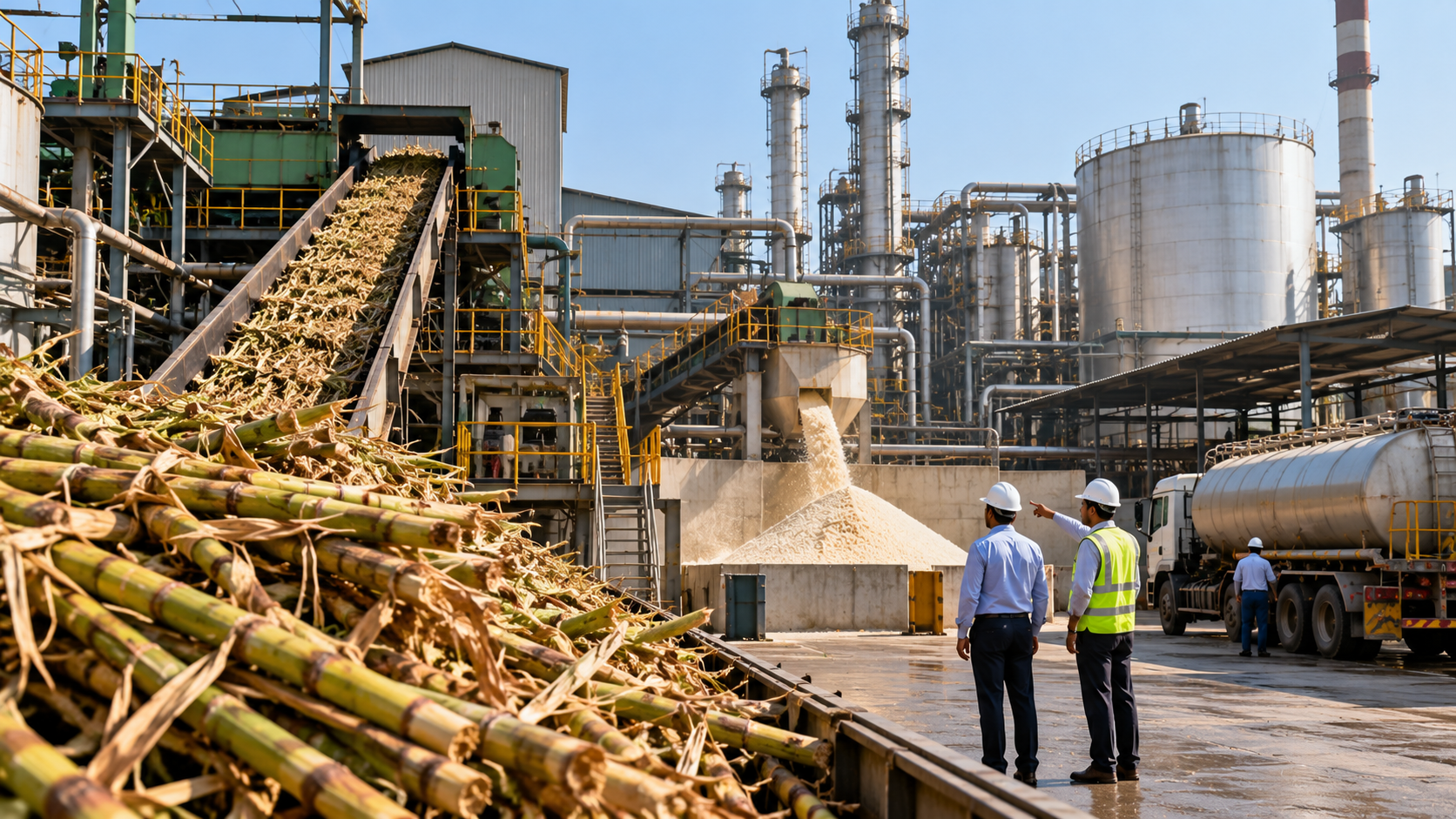
The move aims to ensure adequate sugar supply as concerns grow over ethanol feedstock availability.
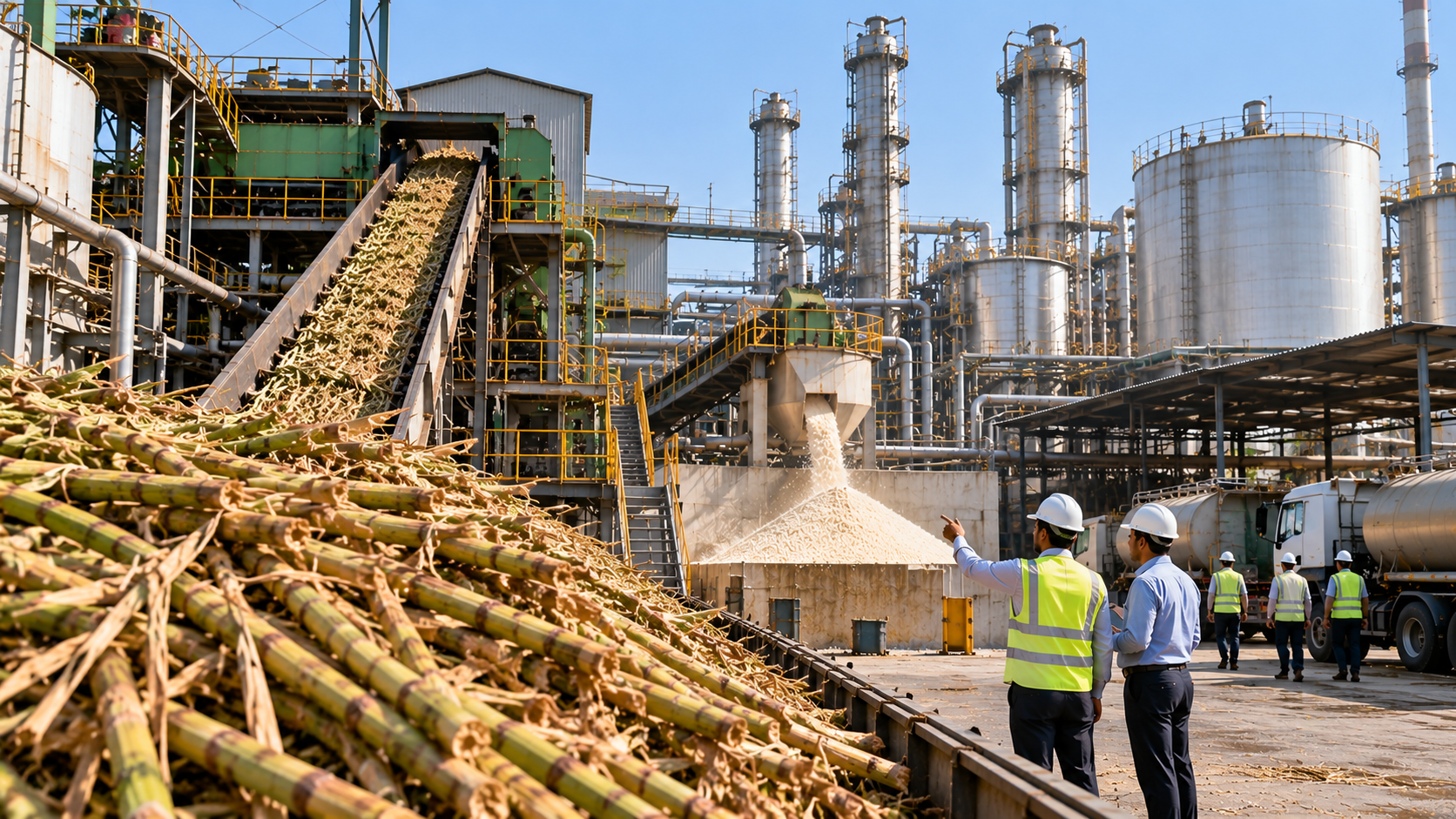
The government is considering restricting the diversion of sugarcane juice and heavy molasses towards ethanol production amid concerns over adequate sugar availability for domestic consumption, according to industry sources.
The proposed move comes as sugar production is expected to decline in the 2026-27 season, with concerns over lower output in major producing states including Maharashtra and Karnataka because of deficient monsoon conditions.
Sources said the government is examining measures to ensure sufficient availability of sugar for the domestic market. Any restriction on the diversion of sugar-based feedstock towards ethanol could help mills maintain adequate supplies of the sweetener.
Sugar mills have increasingly diversified into ethanol production as the government has encouraged the use of alternative feedstocks for blending. However, a larger diversion of sugarcane-derived material towards ethanol could reduce the quantity available for sugar production.
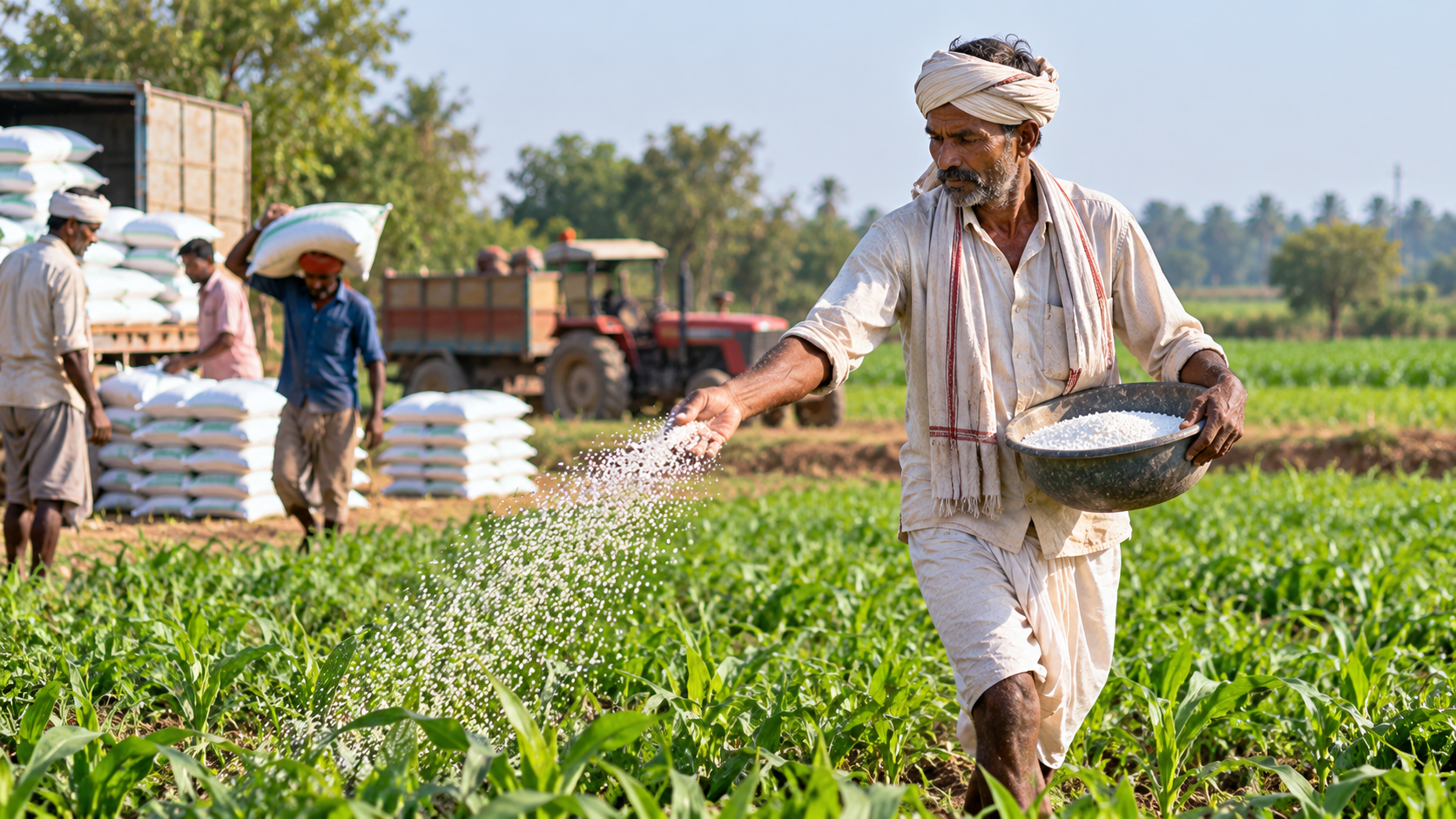
Industry estimates suggest that sugar-based feedstocks account for a significant share of ethanol production, while grain-based feedstocks, particularly maize, have also become an important source.
The government is also assessing the availability of ethanol feedstocks ahead of the next ethanol supply year. Industry sources expect the share of sugar-based feedstocks in ethanol production to decline as greater quantities of grain-based feedstocks are used.
The potential restriction comes amid expectations of a tighter sugar balance in the upcoming season. Deficient rainfall in parts of Maharashtra and Karnataka has raised concerns about sugarcane yields and overall sugar production.
The government is seeking to balance two policy objectives: maintaining adequate sugar supplies for consumers while continuing to expand ethanol blending in petrol.
Ethanol manufacturers and sugar mills are therefore closely watching any policy decision on feedstock diversion. Changes in the allocation of sugarcane juice and heavy molasses could affect both ethanol production and the availability of sugar in the domestic market.
The development highlights the continuing policy challenge of balancing India’s ethanol-blending programme with the need to maintain sufficient domestic sugar supplies.